Gluten Free Chicken Recipe with Garlic
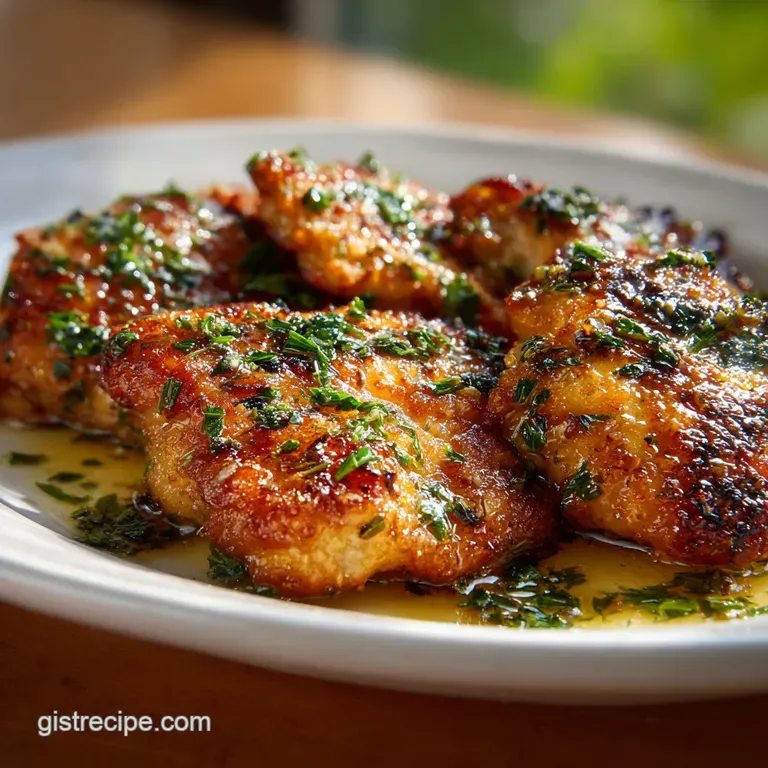
- Time: Active 10 minutes, Passive 0 minutes, Total 25 minutes
- Flavor/Texture Hook: Shatter crisp exterior with a velvety garlic herb finish
- Perfect for: Busy weeknight dinners or simple family meals
- Master the Ultimate Gluten Free Chicken Recipe with Garlic
- Why This Simple Chicken Dish Works
- Essential Recipe Specs and Cooking Times
- The Building Blocks of Flavor
- Minimal Tools for Fast Cooking
- Bringing the Golden Chicken Together
- Troubleshooting Your Garlic Chicken
- Smart Scaling and Adjustments
- Common Myths About Gluten-Free Cooking
- Storage Tips and Waste Prevention
- Serving Ideas for Best Flavor
- Recipe FAQs
- 📝 Recipe Card
Master the Ultimate gluten-free Chicken Recipe with Garlic
The first time I tried making a pan seared chicken for my friend Sarah, who eats strictly gluten-free, I nearly had a kitchen meltdown. I was so used to the standard flour dredge that I stood staring at my pantry, wondering if I should just serve plain, naked chicken breasts.
Then I remembered a trick from a Chinese stir fry recipe: cornstarch. The second that chicken hit the hot oil, the sizzle was different - sharper, more promising.
When the cutlets finally hit the plate, golden brown and glistening with garlic butter, the crust didn't just sit there; it shattered like thin glass when we bit into it. This gluten-free chicken recipe with garlic and herbs delivers a flavorful, simple dinner that honestly beats the traditional flour version every single time.
We didn't even miss the wheat, and since then, this has become my reliable go to for anyone coming over, dietary restrictions or not.
If you have ever struggled with soggy coating or dry, woody chicken, you are in the right place. We are going to use a few basic pantry staples to turn ordinary breasts into something truly comforting. It is all about the heat of the pan and the timing of those fresh herbs.
Trust me, the aroma of garlic hitting melting butter is enough to bring everyone to the kitchen before the timer even goes off.
Why This Simple Chicken Dish Works
The success of this dish comes down to a few fundamental principles of heat and moisture. By understanding these, you can replicate that golden crust every single time without guessing.
- Amylopectin Structure: Cornstarch is pure starch, which crisps up much harder and faster than all purpose flour.
- Maillard Reaction: over High heat searing creates deep flavor compounds on the surface of the meat.
- Butter Emulsification: Adding cold butter at the end creates a silky sauce that coats rather than soaks the crust.
- Carryover Cooking: Resting the thin cutlets allows the internal temperature to stabilize, ensuring the meat stays juicy.
How Cornstarch Creates The Crunch
Cornstarch lacks the proteins found in wheat, which means no gluten formation to make things chewy. Instead, it creates a crisp, brittle lattice that stays crunchy even when tossed in a buttery sauce. It is a science backed way to get that "fried" texture with very little oil.
The Secret to Shattering Crust
This is the "how" behind the crunch: cornstarch absorbs surface moisture better than flour, creating a dry exterior that fries instantly upon contact with hot oil. Because it has no protein to brown too quickly, the chicken can cook through while the outside reaches a perfect golden hue.
| Thickness | Internal Temp | Rest Time | Visual Cue |
|---|---|---|---|
| 1/2 inch | 165°F | 3 minutes | Juices run clear, crust is opaque gold |
| 3/4 inch | 165°F | 5 minutes | Center is no longer pink or rubbery |
| 1/4 inch (Paillard) | 165°F | 2 minutes | Edges are deeply browned and curling |
Using the right thickness is the biggest hurdle to a quick cook. If your cutlets are uneven, they will cook unevenly. I always suggest using a heavy skillet or even a rolling pin to gently whack the thicker parts of the breast until everything is a uniform half inch.
This ensures the edges don't turn into leather while the middle is still raw.
Component Analysis
| Ingredient | Science Role | Pro Secret |
|---|---|---|
| Cornstarch | Moisture Absorber | Sift it first to avoid tiny clumps in the crust |
| Unsalted Butter | Fat Emulsifier | Use cold butter to create a thicker, glossier sauce |
| Fresh Garlic | Aromatic Base | Smash first to release oils before mincing |
The combination of these elements is what makes this Free Chicken Recipe with Garlic and Herbs so reliable. You are essentially building a high tech crust and a low tech sauce that work in harmony. Similar to the method used in my Chicken Tenderloin Recipe, the goal is a quick sear followed by a flavor bath.
Essential Recipe Specs and Cooking Times
This is a fast moving recipe. You want everything prepped and ready on the counter because once that chicken hits the pan, you only have about fifteen minutes of active cooking time left.
- Yield: 4 servings
- Prep Time: 10 minutes
- Cook Time: 15 minutes
- Total Time: 25 minutes
The Building Blocks of Flavor
When you are keeping things simple, the quality of your ingredients matters more. I always reach for the freshest herbs I can find, as they provide a brightness that dried versions just can't match.
- 1.5 lbs chicken breast: Sliced into 1/2 inch thick cutlets. Why this? Thin cutlets cook fast and maximize the crispy surface area.
- 0.5 cup cornstarch: For the dredge. Why this? This is the secret to a gluten-free "shatter" crunch.
- 1 tsp kosher salt: For seasoning.
- 0.5 tsp coarse black pepper: For a bit of heat.
- 2 tbsp extra virgin olive oil: For the over high heat sear.
- 4 tbsp unsalted butter: To create the herb sauce.
- 6 cloves garlic: Smashed and minced. Why this? Six cloves might seem like a lot, but it provides that essential punch.
- 1 tbsp fresh rosemary: Finely chopped.
- 1 tbsp fresh thyme: Stripped from stems.
- 0.5 lemon: Juiced for a hit of acidity.
| Original Ingredient | Substitute | Why It Works |
|---|---|---|
| Cornstarch | Arrowroot Powder | Similar starch profile. Note: Browns slightly faster, so watch the heat. |
| Unsalted Butter | Ghee | dairy-free fat with a high smoke point and nutty flavor. |
| Fresh Rosemary | Dried Rosemary | Use only 1/3 of the amount. Note: Texture is woodier. |
If you are out of fresh herbs, don't panic. You can use dried, but the flavor will be more muted and earthy. If you are doing a big meal prep session and want some homemade starch on the side, this pairs beautifully with a fresh loaf from a gluten-free Bread recipe.
Minimal Tools for Fast Cooking
I am a big believer in not washing more dishes than I have to. For this recipe, you only need three main things.
- Large Skillet: 12 inch stainless steel or cast iron is best for a good sear.
- Shallow Bowl: For dredging the chicken in cornstarch.
- Tongs: To flip the chicken without piercing the meat and losing juices.
Bringing the Golden Chicken Together
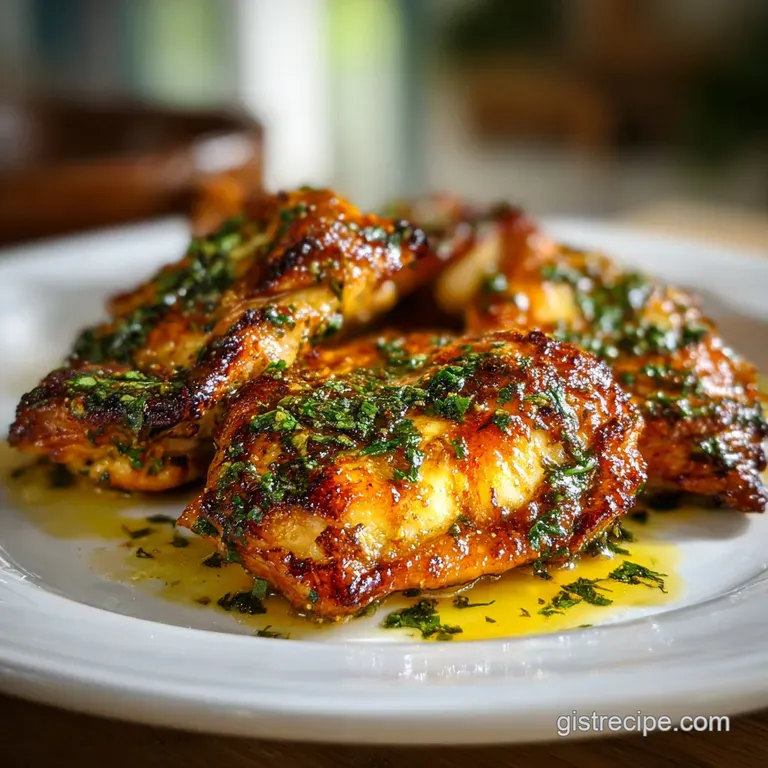
Right then, let's get cooking. Remember to keep your pan hot and don't crowd the chicken, or it will steam instead of fry.
- Prep the chicken. Pat the 1.5 lbs chicken breast cutlets completely dry with paper towels. Note: Moisture is the enemy of a crispy crust.
- Season and dredge. Whisk the 0.5 cup cornstarch, 1 tsp kosher salt, and 0.5 tsp black pepper in a shallow bowl. Coat each cutlet thoroughly, shaking off the excess.
- Heat the pan. Add 2 tbsp extra virgin olive oil to your skillet over medium high heat until the oil shimmers and barely smokes.
- Sear the first side. Place chicken in the pan in a single layer. Cook for 4 to 5 minutes until the edges are golden and the bottom is crisp.
- Flip and finish. Flip the chicken and cook for another 3 to 4 minutes until the internal temperature hits 165°F. Remove chicken to a plate.
- Start the sauce. Reduce heat to medium. Add 4 tbsp unsalted butter to the empty skillet until it begins to foam.
- Sauté aromatics. Stir in 6 cloves minced garlic, 1 tbsp rosemary, and 1 tbsp thyme. Cook for 1 minute until the garlic is fragrant and pale gold.
- Deglaze the pan. Pour in the juice from 0.5 lemon, scraping up any browned bits from the bottom.
- Combine. Return the chicken to the pan, spooning the garlic herb butter over each piece until velvety and glistening.
- Serve immediately. Plate the chicken while the crust is at its peak crunch.
Troubleshooting Your Garlic Chicken
Even the most reliable recipes can hit a snag. Usually, it comes down to heat management or moisture control.
Why Your Coating Is Sogginess
If the coating is sliding off or feels gummy, the pan wasn't hot enough. When the chicken hits lukewarm oil, the cornstarch absorbs the oil instead of frying. Make sure that oil is truly shimmering before you drop the meat in. Also, don't cover the pan with a lid, as that traps steam and kills the crunch.
Why Your Garlic Is Bitter
Garlic burns in a heartbeat. If you add it to the pan while it's still at searing high heat, it will turn dark brown and bitter within seconds. Always lower the temperature or even pull the pan off the burner for a moment before adding the garlic and butter.
| Problem | Root Cause | Solution |
|---|---|---|
| Crust is pale and soft | Pan was overcrowded | Cook in two batches to allow steam to escape. |
| Meat is tough/dry | Overcooked beyond 165°F | Use a meat thermometer and pull at 160°F (carryover cooking). |
| Sauce is greasy | Butter broke/separated | Add a teaspoon of water or lemon juice and whisk vigorously. |
Common Mistakes Checklist
- ✓ Never skip the paper towel step; wet chicken will never get crispy.
- ✓ Shake off every bit of excess cornstarch so the coating stays thin and elegant.
- ✓ Use a heavy bottomed pan for even heat distribution to prevent hot spots.
- ✓ Wait for the butter to stop foaming before adding garlic to ensure the water has evaporated.
- ✓ Let the chicken rest for 3 minutes before serving so the juices redistribute.
Smart Scaling and Adjustments
This gluten-free Chicken Recipe with Garlic is easy to double for a crowd, but you have to be careful with the pan space.
Cooking for Two (Half Batch) Use a smaller 8 inch skillet. You can still use the full half lemon for extra brightness, as the acidity helps cut through the butter. Reduce the cooking time by about 10% since a smaller pan often holds heat more intensely.
Cooking for Eight (Double Batch) Do not try to fit 3 lbs of chicken in one pan. Work in two or even three batches. Keep the finished chicken on a wire rack in a 200°F oven to keep it crispy while you finish the rest.
For the sauce, you only need to increase the liquids by 1.5x rather than doubling them, or it becomes too oily.
Common Myths About gluten-free Cooking
There is a big misconception that "gluten-free" automatically means "tasteless" or "dry." That is simply not true.
- Myth: You need flour for a good sear. Truth: Starch based dredges (like cornstarch or potato starch) actually produce a crispier, more durable crust than wheat flour ever could. It is the secret used by professional chefs for fried chicken.
- Myth: Chicken breasts are always dry. Truth: Dryness is a result of overcooking, not the meat itself. By using thin cutlets and a fast sear, we keep the moisture locked inside the protein fibers.
- Myth: Searing "seals in" the juices. Truth: Searing is purely for flavor and texture (the Maillard reaction). The juices stay inside because we don't overcook the meat and we let it rest before slicing.
Storage Tips and Waste Prevention
Leftovers of this Free Chicken Recipe with Garlic and Herbs are great for lunch the next day, though the crust will lose some of its "shatter."
- Fridge: Store in an airtight container for up to 4 days.
- Freezer: You can freeze the cooked cutlets for up to 2 months. Thaw in the fridge overnight before reheating.
- Reheating: Avoid the microwave if you can. It turns the crust into rubber. Instead, heat a teaspoon of oil in a skillet and crisp the chicken for 2 minutes per side.
- Zero Waste: Don't throw away those herb stems! Put them in a bag in your freezer to use later when making chicken stock. If you have leftover garlic butter in the pan, toss some cold leftover rice or pasta into it for a quick side dish.
Serving Ideas for Best Flavor
This chicken is a superstar because it plays well with almost anything. Since it has those heavy notes of with Garlic and Herbs, I love serving it over something that can soak up the extra butter.
A simple bed of mashed potatoes or a pile of garlicky green beans works beautifully. If you want to keep the whole meal light, a crisp arugula salad with a balsamic vinaigrette provides a nice peppery contrast to the rich garlic butter.
Honestly, don't even bother with low-fat sides here; the butter is the star, so lean into the comfort.
For a more substantial meal, serve this alongside a roasted vegetable medley. The lemon juice in the sauce acts as a bridge between the savory chicken and the sweetness of roasted carrots or parsnips. Whatever you choose, make sure you spoon every last drop of that herb butter from the pan onto the plate.
It is liquid gold and too good to waste. This recipe with Garlic is truly a staple in my house, and I hope it becomes one in yours too.

Recipe FAQs
Can I substitute the cornstarch with all-purpose flour?
No, stick with cornstarch for the best texture. Flour contains gluten proteins that form an elastic structure, preventing the desirable 'shatter' crispness achieved by pure starch.
What temperature must the chicken reach before resting?
165°F is the safe internal target. Always remove the chicken from the heat source when the thermometer reads 160°F; carryover cooking will bring it to the required temperature while resting.
How do I prevent the minced garlic from burning in the butter?
Lower the heat dramatically before adding the garlic. Sear the chicken first, remove it, and then reduce the heat to medium or medium low before melting the butter and sautéing the garlic for just one minute.
What is the best way to ensure the chicken cutlets cook evenly?
Pound the cutlets to a uniform half inch thickness. Even thickness ensures the thinner edges don't dry out while waiting for the center to reach temperature.
Is it true that freezing the fresh herbs helps infuse the butter better?
No, this is a common misconception. Use fresh, finely chopped herbs added right at the end of the sauce process to preserve their bright, volatile oils.
How can I make this into a quick meal for a busy Tuesday night?
Prep all ingredients ahead of time and use high heat oil searing. You can prep the cornstarch dredge and mince the garlic up to 24 hours in advance, similar to how you would organize for a Weeknight Chicken Pasta recipe.
What side dish pairs well with the rich garlic butter sauce?
Serve over rice or alongside bright green vegetables. A side of Sauteed Green Beans recipe is perfect because the acidity cuts through the richness of the butter beautifully.
gluten-free Garlic Chicken
Ingredients:
Instructions:
Nutrition Facts:
| Calories | 434 kcal |
|---|---|
| Protein | 39.4 g |
| Fat | 22.5 g |
| Carbs | 16.8 g |
| Fiber | 0.8 g |
| Sugar | 0.4 g |
| Sodium | 575 mg |
