Easy Steak Marinade: Deep and Savory
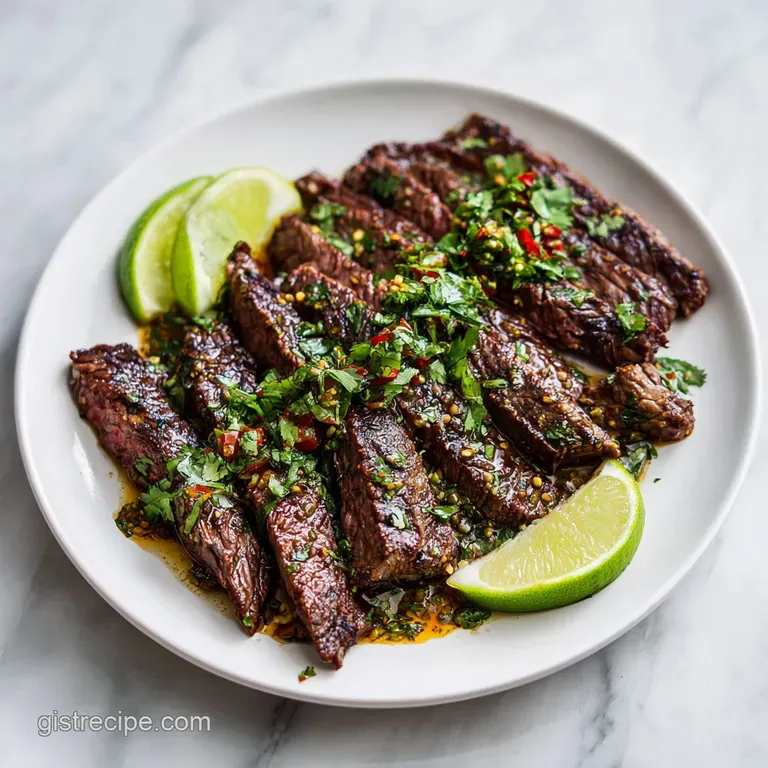
- Time: Active 5 minutes, Passive 30 minutes, Total 15 minutes
- Flavor/Texture Hook: Silky, savory, and charred
- Perfect for: Weeknight dinners or meal prep
- Master This Easy Steak Marinade Recipe
- Why This Flavor Profile Works
- Cooking Times and Visual Cues
- Components for the Best Marinade
- Essential Tools for Better Steak
- Step-by-Step Marinading and Searing
- Avoid These Common Searing Mistakes
- Smart Swaps for Your Pantry
- Storing and Reusing Leftover Meat
- What to Serve With Steak
- Kitchen Myths Debunked
- Recipe FAQs
- 📝 Recipe Card
Master This Easy Steak Marinade Recipe
I remember the first time I tried to grill a flank steak for a group of friends. I pulled it off the heat, let it rest, and sliced it up, feeling like a pro. But as soon as we started eating, the mood shifted. It wasn't just chewy; it was like trying to eat a leather belt that had been dipped in salt.
I had used a cheap, store-bought bottled marinade that was mostly high fructose corn syrup and water, which did absolutely nothing to actually break down the tough fibers of the meat.
That gray, rubbery disaster taught me that a steak marinade isn't just about adding salt it's about the chemistry of the ingredients working together. Most people think more time equals more flavor, but if your ratios are off, you either end up with surface level flavor or mushy meat.
This easy steak marinade recipe is the specific fix for those "yoga mat" steaks. We’re using a mix of balsamic vinegar and tamari to tenderize and season deeply, ensuring the steak stays velvety even under high heat.
We've all been there, standing over a hot pan hoping the meat will magically become tender. It won't, unless you prep it right. This recipe is my reliable, comforting go to because it uses simple pantry staples to achieve a result that tastes like it came from a high end steakhouse.
It’s foolproof, no fuss, and focuses on the classics that actually work in a real kitchen.
Why This Flavor Profile Works
- Acidic Breakdown: Balsamic vinegar contains acetic acid which denatures the tightly wound proteins in the flank steak, making the meat feel softer to the tooth.
- Emulsification Power: Dijon mustard acts as a bridge between the oil and vinegar, creating a thick coating that won't just slide off the meat and pool at the bottom of the bag.
- Umami Depth: The combination of low sodium tamari and Worcestershire sauce provides a double hit of glutamates, which intensifies the meaty flavor of the beef.
- Maillard Support: The natural sugars in the balsamic vinegar caramelize rapidly when they hit the 200°C pan, giving you that beautiful dark crust without overcooking the inside.
Cooking Times and Visual Cues
Before we get into the nitty gritty of the ingredients, let's talk about the actual cooking. A common mistake is not knowing when to pull the meat off the heat. Since we are using a 1.5 lb (approx 0.7 kg) flank steak, it’s usually around 2 cm thick. This makes the timing very predictable.
| Thickness | Internal Temp | Rest Time | Visual Cue |
|---|---|---|---|
| 1.5 cm | 54°C (Med Rare) | 5 mins | Resilient but soft touch |
| 2 cm | 54°C (Med Rare) | 5 mins | Center is deep pink |
| 3 cm | 54°C (Med Rare) | 8 mins | Significant char on edges |
Getting the temperature right is the difference between a juicy dinner and a dry disappointment. If you don't have a thermometer, use the "finger test," but a digital probe is really the only way to be 100% sure.
Components for the Best Marinade
The magic of this easy steak marinade recipe lies in how these specific ingredients interact. You can’t just throw things in a bowl; you need a plan. For example, if you use a high sodium soy sauce instead of tamari, you’ll likely find the steak too salty after a long soak.
Tamari offers a richer, more rounded flavor that complements the balsamic beautifully.
| Component | Science Role | Pro Secret |
|---|---|---|
| Balsamic Vinegar | Fiber Softener | Use "Aged" for more sugar |
| Dijon Mustard | Emulsifier | Keeps the herbs stuck to the meat |
| Low Sodium Tamari | Salt & Umami | Deepens the brown crust |
Chef's Tip: If you have 10 extra minutes, let your garlic sit in the tamari and vinegar for a bit before adding the oil. This "macerates" the garlic and draws out more of those sulfurous compounds that give the steak its punchy aroma.
When selecting your meat, remember that this marinade is designed for lean, fibrous cuts. It works wonders on flank, skirt, or even shaved beef recipe if you want a quick stir fry. The acid helps navigate the tougher connective tissues found in these hardworking muscles.
Essential Tools for Better Steak
You don't need a kitchen full of gadgets, but a few basics make this much easier. A glass mixing bowl is vital because metal bowls can sometimes react with the high acidity of the balsamic vinegar, leaving a faint metallic tang on your steak.
I prefer a small whisk to really get that Dijon and oil to marry together into a velvety sauce.
For the actual marinating, a gallon sized zip top bag is my secret weapon. Unlike a shallow dish, the bag allows you to squeeze out the air, which forces the marinade into every nook and cranny of the meat. This ensures 100% surface contact.
If you’re cooking indoors, a heavy cast iron skillet is the gold standard for getting a sear that will literally shatter when you bite into it.
step-by-step Marinading and Searing
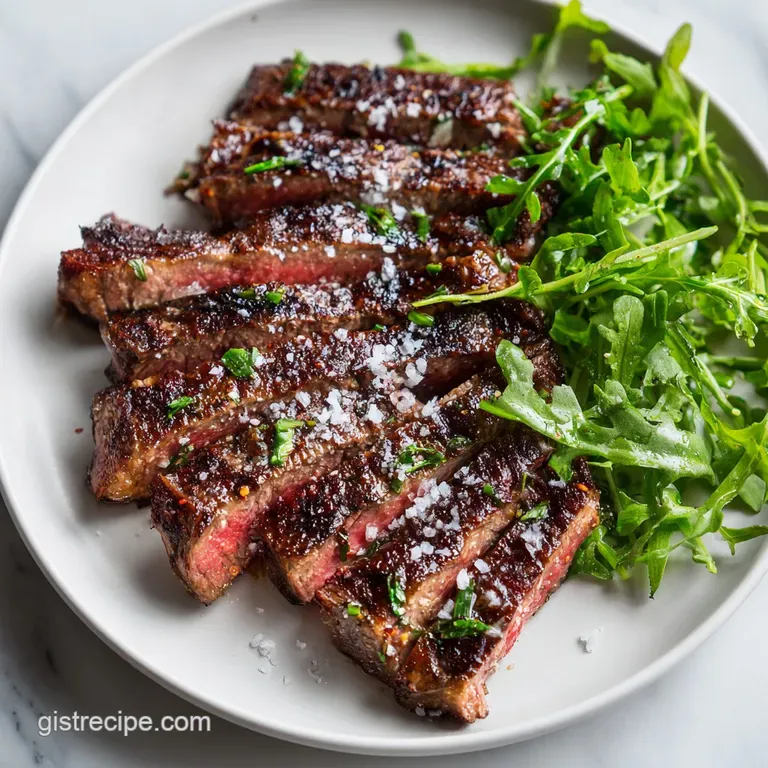
- Whisk the 1 tsp Dijon mustard, 1/4 cup balsamic vinegar, and 1/4 cup low sodium tamari in a glass bowl. Note: Whisking these first ensures the emulsifier is fully distributed.
- Drizzle in the 1/3 cup extra virgin olive oil slowly while whisking. Stop when the mixture looks like a thick, creamy dressing.
- Add 1 tbsp Worcestershire, 3 minced garlic cloves, 1 tsp oregano, 0.5 tsp smoked paprika, and 0.5 tsp black pepper.
- Place the 1.5 lb flank steak inside a zip top bag.
- Pour the marinade over the meat and massage it through the plastic to coat.
- Squeeze out all the air and seal tightly; marinate for 30 minutes to 8 hours in the fridge. Don't go over 12 hours or the meat becomes mushy.
- Preheat a skillet or grill to high heat (around 200°C) until a drop of water dances and evaporates instantly.
- Sear the steak for 4-5 minutes per side until a dark, caramelized crust forms.
- Transfer to a board and rest for exactly 5 minutes. Note: This allows juices to redistribute so they don't flood the cutting board.
- Slice thinly against the grain for maximum tenderness.
Avoid These Common Searing Mistakes
One of the biggest issues people face is "steaming" their meat instead of searing it. This happens when the steak is too wet when it hits the pan. Even though it's been in a marinade, you want the surface to be ready to crust up.
Why Your Steak Turns Gray
If your steak comes out looking gray and sad rather than brown and crispy, your pan wasn't hot enough, or you crowded the pan. When too much moisture is released at once in a cool pan, the steak boils in its own juices.
To fix this, always preheat your pan for at least 3 minutes and use over high heat oil like avocado or light olive oil.
| Problem | Root Cause | Solution |
|---|---|---|
| Meat is Tough | Sliced with grain | Slice against the grain |
| No Crust | Surface too wet | Pat lightly with paper towel |
| Acrid Taste | Burnt garlic | Scrape off large chunks before searing |
Wait at least a minute before checking the troubleshooting table again. You need to be sure you are following the foundational steps correctly. If the meat feels "spongy" after cooking, it usually means it spent too much time in the acid.
Keep your marinating window between 30 minutes and 8 hours for the best results.
Common Mistakes Checklist:
- ✓ Didn't pat the steak dry? The moisture will steam the meat instead of searing it.
- ✓ Slicing with the grain? This makes even the best steak feel like chewing on rubber bands.
- ✓ Skipping the rest? You'll lose all the velvety juices that the marinade helped retain.
- ✓ Pan too cold? If it doesn't sizzle loudly the second it hits the metal, take it out and wait.
- ✓ Using "regular" soy sauce? It’s often too salty; stick to low sodium tamari.
Smart Swaps for Your Pantry
We don't always have a perfectly stocked pantry, and that's okay. This recipe is flexible. If you're out of balsamic, red wine vinegar works, though you might want to add a tiny pinch of sugar to mimic the sweetness.
| Original Ingredient | Substitute | Why It Works |
|---|---|---|
| Balsamic Vinegar | Red Wine Vinegar | High acidity but less sweet. Note: Add 1/2 tsp sugar |
| Low Sodium Tamari | Soy Sauce | Similar umami. Note: Reduce amount by 25% to avoid saltiness |
| Dried Oregano | Dried Thyme | Similar earthy notes that pair well with beef |
If you are looking for something with a bit more of a roast like quality for a larger crowd, you might want to look at a beef tenderloin roast recipe. While that cut is naturally more tender, a light version of this marinade can still add a wonderful aromatic crust.
For a Spicy Kick
If you want some heat, add 1/2 teaspoon of red pepper flakes to the mix. The oil in the marinade will carry that capsaicin deep into the surface of the meat. Just be careful not to burn the flakes during the sear, as they can turn bitter.
For a Keto Friendly Blend
The recipe as written is quite low carb, but to make it strictly keto, ensure your balsamic vinegar doesn't have added caramel color or thickeners. You can also swap the balsamic for apple cider vinegar and a drop of liquid stevia if you are being very strict with your macros.
Storing and Reusing Leftover Meat
Leftover steak is a gift. It stays good in the fridge for about 3 to 4 days if kept in an airtight container. I don't recommend reheating it in the microwave, as that usually turns it into leather. Instead, slice it cold and throw it into a hot pan for 30 seconds just to take the chill off.
For zero waste, don't throw away those garlic bits or the juices left on the resting board. You can actually boil the leftover marinade in a small saucepan for 5 minutes (it MUST reach a rolling boil to be safe) to create a concentrated sauce.
Or, use the steak scraps for a breakfast hash with potatoes and onions. The flavors in this easy steak marinade recipe are even better the next day when they've had a chance to fully settle into the fibers of the meat.
What to Serve With Steak
Since this marinade is so savory and rich, I love pairing it with something that has a bit of "crunch" or acidity to cut through the fat. A simple arugula salad with lemon dressing is perfect. If you want something more comforting, garlic mashed potatoes are a classic for a reason.
- Roasted Vegetables: Broccoli or asparagus tossed in olive oil and salt.
- Grains: Fluffy quinoa or a wild rice pilaf.
- Bright Toppings: A scoop of fresh chimichurri or even just a squeeze of fresh lime.
Kitchen Myths Debunked
One of the oldest myths in the book is that searing meat "seals in the juices." Science has shown us that this isn't true; moisture loss happens regardless of how hard you sear the outside. The real reason we sear is for the flavor and texture of the crust, not to create a moisture barrier.
Another myth is that you need to marinate for 24 hours. Because the molecules in a marinade are relatively large, they don't actually penetrate very deep into the meat usually only a few millimeters. Most of the tenderizing happens on the surface.
After 8 hours, the acid starts to break down the proteins too much, turning the surface of your steak into a mushy, unappealing texture. Stick to the 30 minute to 8 hour window for the best balance.
Finally, some people think salt "draws out" all the moisture. While salt does draw out some moisture initially through osmosis, if you give it enough time (at least 30 minutes), the meat actually reabsorbs that salty brine, which helps season the interior and keep it juicy during the cook.
This is why a short 5 minute marinade is often worse than no marinade at all you want to give that brine time to travel back into the fibers.

Recipe FAQs
What's a good quick steak marinade?
Use the Dijon mustard, balsamic vinegar, and tamari blend. By whisking these together with olive oil and spices, you create a fast penetrating marinade that delivers bold flavor in as little as 30 minutes.
What are the three main ingredients when marinating?
Oil, acid, and salt are the foundation. The extra virgin olive oil coats the meat, balsamic vinegar and tamari provide the acid and salinity, and the Dijon acts as an essential emulsifier to bind them into a thick, cohesive liquid.
What can I soak my steaks in to make them tender?
Soak your steak in a mixture of balsamic vinegar and tamari. These acidic components help break down muscle fibers over time, ensuring the meat remains tender when cooked over high heat.
What to marinate steak in for an hour?
Use the full combination of tamari, balsamic vinegar, garlic, and spices. One hour is the perfect window to allow the aromatics like minced garlic, oregano, and smoked paprika to infuse the flank steak thoroughly.
How to ensure the marinade sticks to the meat?
Squeeze all the air out of the zip-top bag after adding the steak. Removing the air forces the liquid against every surface of the meat, ensuring consistent flavor coverage. If you enjoyed creating this stable liquid base, you can apply the same emulsification technique to perfect your homemade dressings.
Is it safe to reuse leftover marinade as a sauce?
Yes, but only if you boil it first. You must bring the leftover marinade to a rolling boil in a small saucepan for at least 5 minutes to ensure it is safe to serve as a concentrated steak sauce.
How to reheat leftover steak without drying it out?
Slice the cold steak and flash sear it in a hot pan for 30 seconds. Avoiding the microwave is crucial, as the direct radiation will quickly turn your tender steak into tough, leathery meat.
Easy Steak Marinade Recipe
Ingredients:
Instructions:
Nutrition Facts:
| Calories | 368 kcal |
|---|---|
| Protein | 33.6 g |
| Fat | 24.2 g |
| Carbs | 3.4 g |
| Fiber | 0.4 g |
| Sugar | 1.8 g |
| Sodium | 745 mg |
