Easy Pesto Pasta Recipe: Fresh and Vibrant
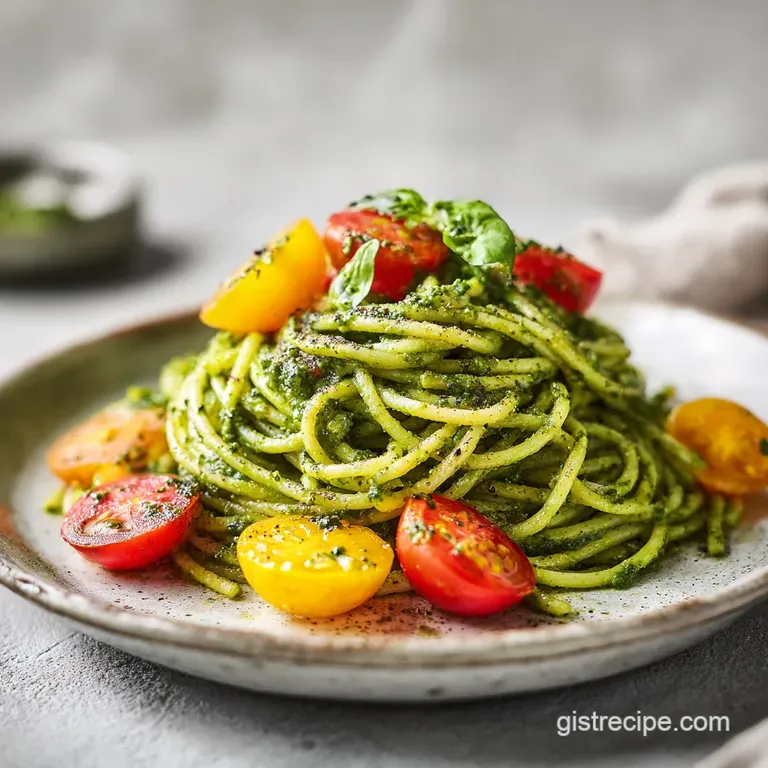
- Time: Active 5 minutes, Passive 10 minutes, Total 15 minutes
- Flavor/Texture Hook: Zesty, garlicky, and velvety
- Perfect for: Busy weeknights, budget conscious meal prep, or beginner cooks
- Make This Easy Pesto Pasta Recipe Fast
- Why This Works So Well
- Specs For Your Fast Dinner
- Gathering Your Essential Ingredients
- Tools For A Velvety Sauce
- Steps For The Best Coating
- Fixing Common Pesto Mistakes
- Creative Ways To Customize
- Myths About Fresh Pesto
- Storing And Saving Leftovers
- What To Serve With Pesto
- Recipe FAQs
- 📝 Recipe Card
Make This Easy Pesto Pasta Recipe Fast
The sharp, peppery aroma of fresh basil hitting a warm pan is one of those kitchen scents that instantly makes me feel like I have my life together. I remember the first time I tried making this from a jar, and it was just... fine.
But then I tried the fresh version on a whim during a chaotic Tuesday when I had exactly 15 minutes to feed four hungry people. The difference wasn't just noticeable, it was staggering. The sauce was vibrant green, the garlic had a punchy bite, and the whole house smelled like a summer garden in Italy.
We've all been there where we stare at the fridge at 6:00 PM with zero energy. This easy pesto pasta recipe is the reliable, comforting classic I turn to when I want something that feels fancy but costs about five dollars to put together.
It is foolproof because it doesn't require precise simmering or complicated techniques. You are essentially just pulsing ingredients and tossing them with hot carbs. It’s the ultimate kitchen win for someone who loves good food but hates long cleanup sessions.
I used to think you needed a massive marble mortar and pestle to do this "the right way." Honestly, don't even bother with that unless you're looking for a forearm workout. A simple food processor or even a decent blender gets us to that velvety consistency we crave in a fraction of the time.
This dish is about speed and flavor, not about laboring over a stone bowl for an hour. Let's get into why this works so well every single time.
Why This Works So Well
- Residual Heat Magic: By tossing the sauce with the pasta off the heat, we prevent the basil from turning brown and bitter while still melting the cheese into a smooth coating.
- Starch Binding: The reserved pasta water acts as a bridge, helping the oil based pesto cling to the smooth surface of the noodles instead of sliding to the bottom of the bowl.
- Acid Balance: A small splash of lemon juice brightens the heavy fats in the nuts and oil, making the whole dish feel light rather than greasy.
- Texture Contrast: Pulsing the nuts instead of grinding them to a powder provides tiny, nutty "pops" that contrast with the soft pasta.
| Feature | Stovetop Method | Oven Finish (Casserole) |
|---|---|---|
| Total Time | 15 minutes | 30 minutes |
| Texture | Silky and fresh | Cheesy and bubbly |
| Best For | Quick weeknight meal | Hosting or leftovers |
One thing I've learned is that the temperature of your tools matters. If you're using a food processor, the friction of the blades can actually start to "cook" the basil, which makes it lose that bright green hue. A quick trick is to pop your metal blades in the freezer for 5 minutes before you start.
It keeps everything cold and the color stays incredibly vibrant.
Specs For Your Fast Dinner
When you are looking at a recipe, you want to know if it actually fits into your life. This one is designed for the 15 minute window. We are talking about 5 minutes of prep mostly just tossing things into a processor and 10 minutes of cook time, which is just the time it takes for your pasta to reach that ideal al dente bite.
Component Deep Dive
| Ingredient | Science Role | Pro Secret |
|---|---|---|
| Fresh Basil | Primary aromatic and base | Pack the measuring cup tightly for maximum flavor intensity. |
| Extra Virgin Olive Oil | Emulsion base and fat source | Use a "buttery" oil rather than a "peppery" one to let the basil shine. |
| Starchy Pasta Water | Binding agent | Never drain the pot completely; this water is the secret to a non greasy sauce. |
| Parmigiano Reggiano | Umami and salt | Always grate it fresh; the pre shredded stuff has cellulose that prevents melting. |
This component analysis shows that every part of this easy pesto pasta recipe has a job. The oil isn't just for moisture, it's a carrier for the garlic flavor. The nuts aren't just for crunch, they provide the protein and fat that make the sauce feel substantial.
When these elements hit the hot pasta water, they create a stable emulsion that coats every ridge of your penne or fusilli.
Gathering Your Essential Ingredients
- 1 lb dried pasta: I love using fusilli or penne because the spirals and holes trap the sauce. Why this? Shapes with ridges hold onto the coarse pesto much better than smooth long strands.
- 2 tbsp sea salt: This is for the boiling water. Why this? It's the only chance to season the pasta itself from the inside out.
- 3 cups fresh basil leaves: Tightly packed for the best yield. Why this? Freshness is non negotiable for that signature summer aroma.
- 0.5 cup extra virgin olive oil: Use the good stuff here. Why this? Since it's raw, you will taste the quality of the oil directly.
- 0.5 cup freshly grated Parmigiano Reggiano: The king of cheeses. Why this? It provides a deep, salty umami that salt alone cannot replicate.
- 0.33 cup toasted pine nuts: For richness and crunch. Why this? Toasting them for 3 minutes unlocks oils that make the pesto significantly more fragrant.
- 2 cloves garlic: Smashed to release juices. Why this? Fresh garlic gives a sharp bite that balances the rich cheese and nuts.
- 1 tbsp lemon juice: Freshly squeezed is best. Why this? It prevents the basil from oxidizing and adds a necessary citrus lift.
- 0.5 tsp black pepper: For a subtle back of-the throat heat.
| Original Ingredient | Substitute | Why It Works |
|---|---|---|
| Pine Nuts | Toasted Walnuts | Much cheaper and adds a similar earthy, fatty richness. |
| Parmigiano Reggiano | Pecorino Romano | Adds a sharper, saltier tang. Note: Reduce added salt if using this. |
| Fresh Basil | Baby Spinach | budget friendly and keeps the green color, though the flavor is milder. |
If you find yourself short on basil, I've found that a 50/50 mix of spinach and basil works wonders. It keeps the cost down while still giving you that hit of herbal flavor. For more budget friendly ideas, you might enjoy my creamy garlic parmesan sauce which uses similar pantry staples.
Tools For A Velvety Sauce
You don't need a professional kitchen, but two specific tools make this much easier. A food processor is my go to for getting the texture just right. It allows you to control the "pulse" so you don't end up with a watery soup.
If you don't have one, a high speed blender works, but you'll need to be very careful not to over process.
2 Must Have Tools
The second tool is a simple microplane or fine grater. I cannot stress this enough: stop buying the cheese in the green shaker can. It won't melt, and it tastes like salt flavored wood pulp.
A real block of Parmigiano Reggiano lasts a long time in the fridge, and grating it fresh into the warm pasta creates a texture that is truly velvety.
Chef's Tip: Freeze your food processor blade for 10 minutes before using. This prevents the friction from heating up the basil, which keeps your sauce a stunning, bright emerald green.
Steps For The Best Coating
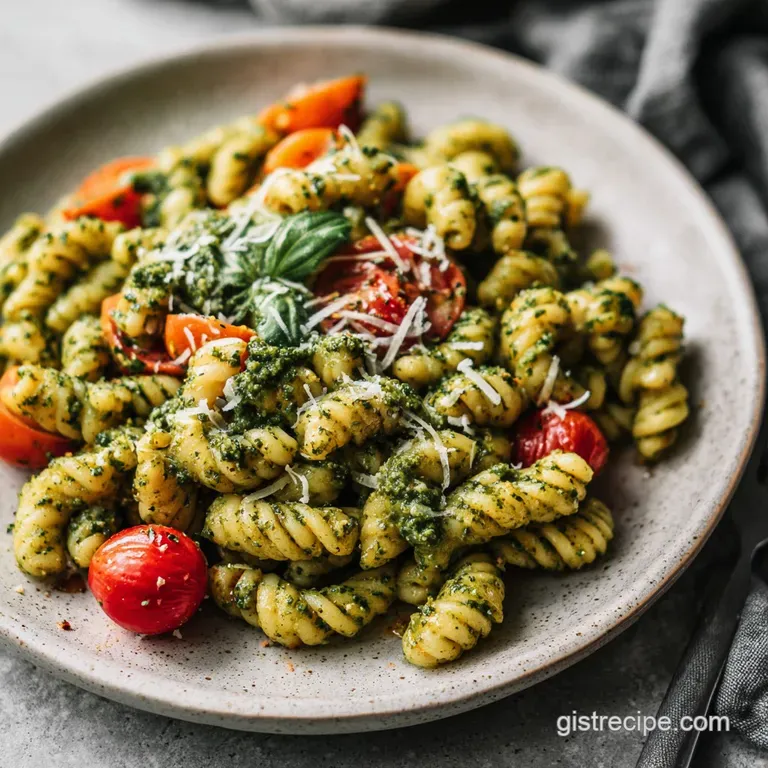
- Bring 4 quarts of water to a rolling boil in a large pot. Wait for big bubbles before adding the salt.
- Add 2 tablespoons of sea salt. The water should taste like the ocean to season the pasta properly.
- Add the pasta and cook for 1-2 minutes less than the package directions. Test a piece early; it should have a slight firm bite in the center (al dente).
- While the pasta boils, reserve 1 cup of the starchy pasta water using a heat safe measuring cup. Do not forget this step, as this water is your sauce's secret weapon.
- Drain the remaining water and keep the pasta in the colander for just a moment.
- In a food processor, pulse the basil, toasted pine nuts, garlic, and lemon juice until coarsely chopped. Stop before it becomes a paste to keep some texture.
- With the motor running, slowly drizzle in the olive oil. Watch for a thick, uniform consistency to form.
- Transfer the pesto to a small bowl and stir the grated Parmigiano Reggiano in by hand. Hand stirring prevents the cheese from getting gummy in the processor.
- Return the drained pasta to the warm pot (off the heat!). The residual heat from the pot is all you need.
- Add the pesto and half of the reserved pasta water. Toss vigorously with tongs until the sauce emulsifies and creates a glossy coating on every noodle.
If the sauce feels too thick or looks dry, add the remaining pasta water a tablespoon at a time. You'll see the magic happen as the cloudy water and the oily pesto suddenly snap together into a creamy, cohesive sauce. If you're looking for another quick pasta fix, check out this Bruschetta Chicken Pasta which also uses the one pot method for easy cleanup.
Fixing Common Pesto Mistakes
One mistake I once made was adding the pesto to the pasta while the stove was still on high. The cheese instantly clumped into a rubbery ball, and the basil turned a sad, muddy brown. Always remember: pesto is a "raw" sauce. It likes warmth, not aggressive heat.
Why Your Sauce Separates
If you see oil pooling at the bottom of the bowl, it means the emulsion didn't hold. This usually happens because the pasta was too dry or you didn't use enough of that starchy water. The starch acts like a glue that holds the oil and water together.
Why Your Pesto Is Bitter
Sometimes basil can have a bitter aftertaste, especially if the leaves are large and "older." To fix this, a tiny pinch of sugar or an extra squeeze of lemon juice can neutralize the bitterness. Also, over processing the garlic can make it unpleasantly sharp.
| Problem | Root Cause | Solution |
|---|---|---|
| Clumpy Cheese | Added to a boiling pot | Toss the pasta and sauce off the heat using only residual warmth. |
| Dull Brown Color | Basil oxidized from heat | Add a splash of lemon juice and keep ingredients cool during blending. |
| Dry/Sticky Pasta | Not enough pasta water | Add reserved water 1 tbsp at a time until the sauce looks glossy. |
Common Mistakes Checklist
- ✓ Don't rinse the pasta after draining; you need those surface starches for the sauce to stick.
- ✓ Always toast your nuts; raw pine nuts or walnuts can taste "tinny" or flat.
- ✓ Avoid the "smoothie" texture; leave a bit of grit in the pesto for a better mouthfeel.
- ✓ Use the right salt; table salt is too fine and can make the water overly harsh. Sea salt or Kosher salt is better.
- ✓ Let the pasta rest for 60 seconds after tossing; this allows the sauce to thicken slightly.
Creative Ways To Customize
Scaling this recipe is incredibly straightforward. If you are cooking for two, just halve everything. However, if you're doubling it for a crowd, be careful with the garlic and salt.
Spices and aromatics don't always need to be doubled exactly; I usually go with 1.5 times the garlic and salt when doubling the pasta to avoid overwhelming the dish.
Scaling For Crowds
When making a big batch for 8 people, work in two batches for the pesto itself. Overcrowding a small food processor can lead to uneven chopping where the bottom is a puree and the top is still whole leaves.
Also, use a very large mixing bowl to toss the pasta, as the pot might be too cramped to get that vigorous emulsifying action.
| Servings | Pasta Amount | Pesto Volume | Best Pan/Bowl |
|---|---|---|---|
| 2 People | 0.5 lb | ~0.5 cup | Standard 3qt pot |
| 4 People | 1 lb | ~1 cup | Large 6qt stockpot |
| 8 People | 2 lbs | ~2 cups | Extra large mixing bowl |
If you want a different vibe, try adding 0.5 cup of sun dried tomatoes or a handful of olives. These add a salty, acidic pop that complements the herbal notes perfectly. Just be sure to drain any excess oil from the tomatoes so the pasta doesn't get too greasy.
Myths About Fresh Pesto
There is a common misconception that you must use a mortar and pestle for "authentic" flavor. While it does crush the cells differently, the time to flavor ratio of a food processor is much better for a weeknight.
The "heat from the blades" myth is real, but it's easily solved by chilling the equipment, as I mentioned earlier.
Another myth is that you can't freeze pesto because of the cheese. You actually can! The trick is to freeze the pesto "paste" in ice cube trays without the cheese. Once you thaw a cube and toss it with hot pasta, you stir in the fresh cheese at the very end. This keeps the texture from becoming grainy.
Searing or "cooking" the pesto in a pan is another big no no. I've seen people try to simmer pesto like a marinara sauce. This destroys the delicate oils in the basil and turns the garlic bitter. This sauce is all about freshness, so keep the heat strictly for the pasta water.
Storing And Saving Leftovers
This easy pesto pasta recipe is fantastic as a cold pasta salad the next day. If you're keeping it in the fridge, it will stay fresh for about 3 days. The olive oil will solidify when cold, so it might look a bit "stiff" when you take it out.
Just let it sit at room temperature for 10 minutes or add a tiny splash of warm water before eating.
- Fridge: Store in an airtight container for up to 3 days. To prevent browning, press a piece of plastic wrap directly onto the surface of the pasta.
- Freezer: I don't recommend freezing the fully assembled pasta as the noodles get mushy. However, the pesto sauce itself freezes beautifully for up to 3 months.
- Reheating: Avoid the microwave if possible. Instead, put the pasta in a pan over low heat with a tablespoon of water and stir constantly just until warmed through.
- Zero Waste Tip: Don't throw away those basil stems! While they are too woody for the pesto, you can toss them into a freezer bag and use them later to flavor vegetable stocks or soups. Even the rinds of the Parmigiano Reggiano can be tossed into a simmering pot of minestrone for an incredible umami boost.
What To Serve With Pesto
Since this is a carb heavy, rich dish, it pairs beautifully with high acid or crunchy sides. A simple arugula salad with a lemon vinaigrette is my favorite because the peppery greens cut through the fatty cheese.
If you want a more substantial meal, a piece of grilled chicken or flaky white fish seasoned with just salt and lemon is the way to go.
Roasted vegetables like cherry tomatoes or asparagus also add a nice textural change. You can even toss the roasted tomatoes directly into the pasta at the end for little bursts of sweetness. It’s a reliable, comforting classic that doesn't need much to feel like a complete feast.
Honestly, the best part about this dish is its simplicity. It’s a reminder that good cooking doesn't have to be complicated or expensive. You just need fresh ingredients, a little bit of starchy water, and a few minutes of your time.
Trust me, once you've had it fresh, the jarred stuff will never taste the same again. Let’s get that water boiling!
Recipe FAQs
How to make quick easy pesto pasta?
Pulse basil, toasted pine nuts, garlic, and lemon juice in a food processor, then slowly drizzle in olive oil while the motor runs. Once a thick paste forms, stir in Parmigiano Reggiano by hand, then toss the pesto with al dente pasta and a splash of reserved starchy water to emulsify the sauce.
What to mix with pesto for pasta?
Mix in reserved starchy pasta water to create a creamy, emulsified coating. If you enjoyed mastering the creamy emulsion technique here, you can apply that same logic to create silky sauces in other dishes.
Is pesto good for people with CKD?
No, this is a common misconception. Pesto contains high levels of potassium from basil and pine nuts, plus significant sodium from Parmigiano Reggiano and added sea salt, which are typically restricted in CKD diets.
How do you use pesto from a jar for pasta?
Warm the jarred pesto slightly by adding a splash of hot, starchy water from your pasta pot before tossing it with the noodles. This helps the oil-heavy sauce loosen up and coat the pasta strands much more evenly than dumping it on cold.
Is it necessary to toast the pine nuts?
Yes, toasting is essential for flavor depth. Raw pine nuts can taste flat or "tinny," whereas toasting them brings out a rich, nutty profile that defines high-quality pesto.
How to keep pesto pasta from drying out in the fridge?
Press a piece of plastic wrap directly against the surface of the pasta before sealing your container. This limits oxygen exposure, which prevents the basil from oxidizing and turning an unappealing brown color.
Why should I cook pasta for less time than the package says?
Cooking for 1-2 minutes less ensures the pasta maintains an al dente bite after it is tossed in hot pesto. Because the pasta finishes cooking while it sits in the warm pot and absorbs the sauce, this prevents the texture from becoming mushy.
Easy Pesto Pasta Recipe
Ingredients:
Instructions:
Nutrition Facts:
| Calories | 797 calories |
|---|---|
| Protein | 21g |
| Fat | 40g |
| Carbs | 88g |
| Fiber | 4g |
| Sugar | 2g |
| Sodium | 620mg |
