Easy Moist Orange Cake: a Zesty Citrus Treat
- Time: Active 20 minutes, Passive 45 minutes, Total 65 minutes
- Flavor/Texture Hook: Zesty, buttery, and incredibly velvety
- Perfect for: Weekend brunch, afternoon tea, or a budget-friendly gift
- Baking The Perfect Easy Moist Orange Cake Recipe
- Why This Citrus Sponge Stays Tender
- Essential Stats for Your Baking Success
- Quality Ingredients on a Smart Budget
- The Simple Tools for Great Results
- Step-By-Step Path to Citrus Perfection
- Fixes for Your Baking Roadblocks
- Flavor Tweaks for Every Occasion
- Keeping Your Cake Fresh and Tasty
- Best Ways to Enjoy Your Treat
- Recipe FAQs
- 📝 Recipe Card
Baking The Perfect Easy Moist Orange Cake Recipe
There is a specific moment when you’re zesting an orange over a bowl of sugar when the air in the kitchen completely transforms. It is not just a sweet smell; it is a sharp, floral, and almost sparkly aroma that hits the back of your throat.
I remember the first time I actually stopped to smell what was happening. I used to just toss the zest in at the end as an afterthought, but once you rub that zest into the sugar grains with your fingertips, there is no going back. The sugar turns damp, bright orange, and smells like a concentrated citrus grove.
That is the exact sensory trigger that tells you this cake is going to be something special.
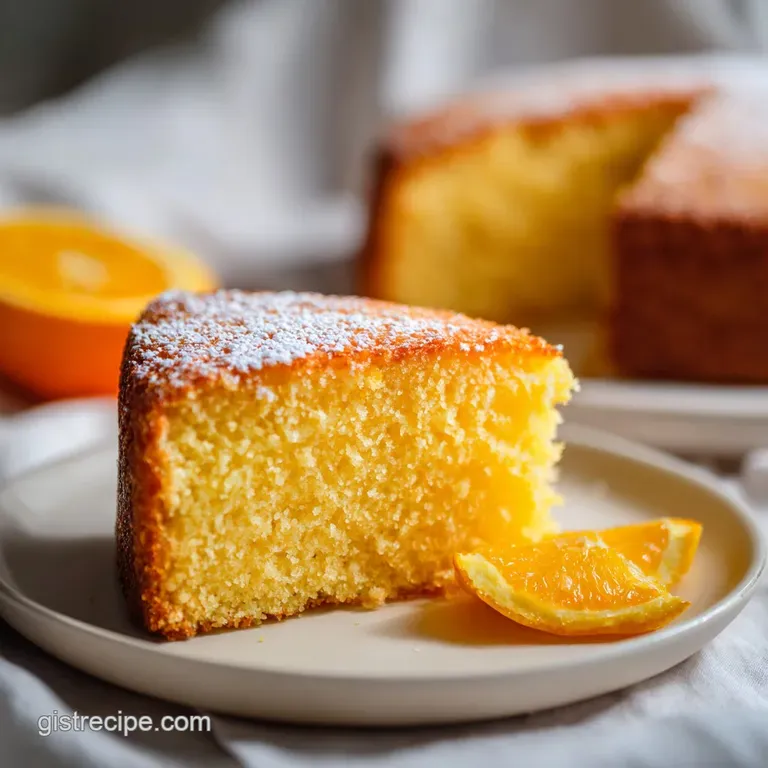
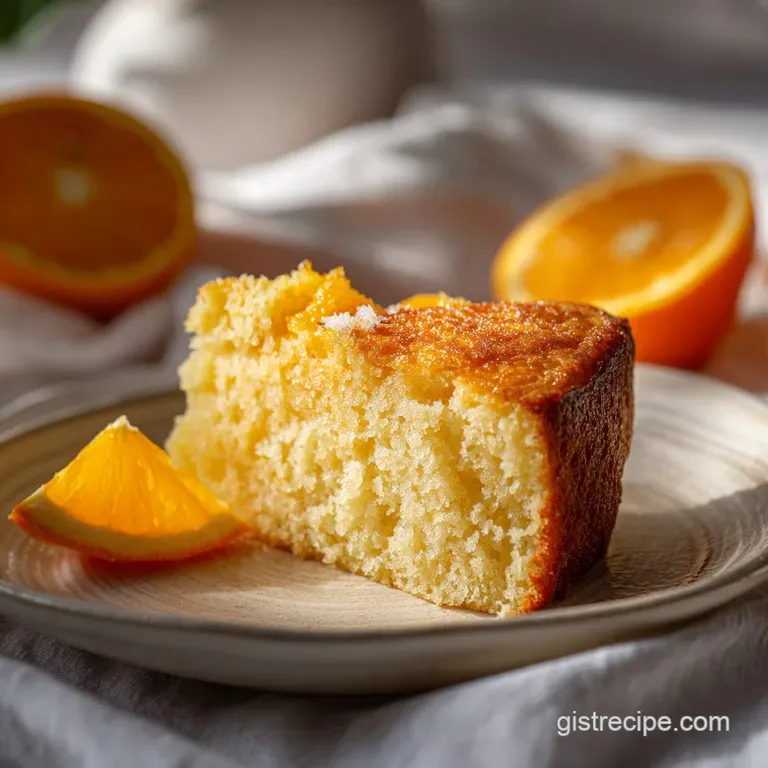
When you pull this loaf out of the oven, the house smells like a warm, buttery sunshine. The top gets this slight golden crust that crackles just a little bit when you press it, but the inside remains remarkably soft.
I’ve made the mistake of using just juice before, thinking more liquid meant more moisture, but that usually just leads to a gummy mess. The secret is in the fats and the aromatics. We are going for a texture that doesn't just crumble away but feels substantial and silky on the tongue.
It’s a rewarding process that doesn't require a professional pastry kitchen, just a few fresh oranges and a bit of patience while it cools.
This easy moist orange cake recipe is the one I turn to when I want a high impact dessert without a massive grocery bill. It uses basic ingredients like flour, eggs, and butter, but treats them with a bit of respect to get that "bakery style" finish. You don't need fancy extracts or expensive liqueurs here.
The orange does all the heavy lifting. We are going to walk through exactly how to keep that crumb tender, how to ensure the glaze doesn't just slide off, and why the temperature of your eggs actually matters more than you think. Let's get into the gist of why this recipe works so well every single time.
Why This Citrus Sponge Stays Tender
Understanding the "why" behind the bake helps you avoid the common pitfalls that turn a great cake into a dry brick. This recipe relies on a few specific mechanical and chemical interactions that ensure the crumb stays moist long after it leaves the oven.
It is all about managing the proteins in the flour and the way we introduce air into the fat.
- Aromatic Infusion: Rubbing zest into sugar breaks the tiny oil sacs in the peel, distributing orange essence more evenly than juice alone could ever achieve.
- Fat Based Moisture: Using both butter and sour cream provides a dual layer of fat that coats flour proteins, preventing excessive gluten development and keeping the cake soft.
- Acidic Tenderizing: The natural citric acid in the orange juice reacts with the proteins in the eggs and flour to create a more delicate, melt in-your mouth structure.
- Controlled Hydration: By alternating dry and wet ingredients, we maintain a stable emulsion that prevents the batter from breaking or becoming too heavy.
| Method | Time | Texture | Best For |
|---|---|---|---|
| Standard Oven | 45 minutes | Even, golden crust with soft interior | Traditional loaf results |
| Air Fryer (320°F/160°C) | 35 minutes | Thicker exterior crust, very moist core | Small batches/Energy saving |
| Individual Muffins | 18-22 minutes | High surface area, springy crumb | On the-go snacking |
Choosing the right method depends on your equipment and how much time you have. While the oven is the classic choice for a reason providing the most even heat distribution the air fryer is a fantastic shortcut if you're only making a half batch or want a deeper "crust" on the outside of your cake.
Just be sure to check the doneness 5 minutes early, as air fryers circulate heat much more aggressively than a traditional oven.
Essential Stats for Your Baking Success
The interaction between your ingredients determines the final height and density of the cake. For instance, the ratio of fat to flour in this recipe is specifically tuned to support the weight of the orange juice without the cake collapsing in the middle.
We use all purpose flour here because it has just enough protein to provide structure, but not so much that it becomes chewy like bread.
| Component | Science Role | Pro Secret |
|---|---|---|
| Sour Cream | Adds acidity and fat for a "velvety" crumb | Use full fat for the best mouthfeel; low-fat yields a drier cake |
| Fresh Zest | Provides concentrated citrus oils | Zest only the orange part; the white pith is bitter and ruins the flavor |
| Room Temp Eggs | Ensures a stable emulsion during beating | Place cold eggs in warm water for 5 minutes to take the chill off quickly |
Using room temperature ingredients is one of those steps that people often skip because they’re in a hurry. But trust me, it makes a massive difference. When cold eggs hit creamed butter, the butter seizes up into tiny chunks. This breaks the emulsion and leads to an uneven bake.
Taking that extra few minutes to let things warm up ensures the batter stays silky and smooth.
Quality Ingredients on a Smart Budget
You don't need a massive budget to make a "masterclass" level cake. In fact, some of the best versions of this easy moist orange cake recipe come from simple, store brand ingredients. The key is knowing where to spend and where to save.
Fresh oranges are non negotiable, but you can certainly use a budget friendly sour cream or even a high-quality Greek yogurt if that's what you have in the fridge.
- All purpose flour (210g): The backbone of the structure. Why this? Provides a reliable, tender crumb without the need for specialty cake flours.
- Substitute: White spelt flour (1:1 ratio) for a nuttier flavor.
- Unsalted butter, softened (170g): Adds richness and flavor. Why this? Softened butter creams with sugar to create essential air pockets.
- Substitute: Margarine or vegan butter sticks (ensure they are high fat for baking).
- Granulated sugar (200g): Sweetens and provides browning. Why this? Essential for the zest rubbing technique to release oils.
- Substitute: Caster sugar for an even finer texture.
- Fresh orange zest (2 tbsp): The primary flavor driver. Why this? Contains the aromatic oils that juice lacks.
- Substitute: 1 tsp orange extract (only if fresh oranges are unavailable).
- Large eggs (3): Provides lift and binding. Why this? The proteins set the structure as the cake bakes.
- Substitute: 3/4 cup unsweetened applesauce (note: cake will be much denser).
- Full fat sour cream (120g): Moisture and acidity. Why this? Keeps the cake moist for days by preventing staling.
- Substitute: Whole milk Greek yogurt (120g) for a similar tangy effect.
- Fresh orange juice (60ml + 3 tbsp): Adds tang and hydrates the batter. Why this? Uses the fruit you already zested to minimize waste.
- Substitute: Bottled 100% orange juice (no pulp).
When shopping for this recipe, look for oranges that feel heavy for their size this usually indicates they are full of juice. If you find yourself out of sour cream, don't panic. You can make a quick DIY version by adding a teaspoon of lemon juice to half a cup of heavy cream and letting it sit for five minutes. For more tips on dairy based cakes, you might find my Raspberry Buttermilk Cake recipe helpful for understanding how different acids interact with batter.
The Simple Tools for Great Results
You really don't need a kitchen full of gadgets to pull this off. A simple hand mixer or even a sturdy whisk and some elbow grease will get the job done. I personally love using a glass loaf pan because I can see how the edges are browning, but a standard metal 9x5 inch pan works perfectly too.
If you're using metal, just keep an eye on it around the 40 minute mark, as it tends to conduct heat faster than glass.
One tool I swear by is a Microplane or a very fine grater. You want the zest to be almost like a powder so it disappears into the sugar. If the pieces are too big, they can become chewy or stringy in the final cake, which isn't the vibe we're going for. Also, make sure your mixing bowl is large enough.
There’s nothing more frustrating than trying to fold flour into a bowl that’s brimming at the edge.
Chef Tip: If you don't have a citrus juicer, just microwave the orange for 10 seconds before cutting it. Then, roll it firmly against the counter with your palm. This breaks the internal membranes and makes it much easier to squeeze every last drop out by hand.
step-by-step Path to Citrus Perfection
- Prep the oven and aromatics. Preheat your oven to 350°F (175°C). In your main mixing bowl, combine the granulated sugar and 2 tablespoons of orange zest. Use your fingertips to rub them together for about 2 minutes until the sugar is fragrant, damp, and bright orange. Note: This step is the most important for flavor; don't rush it.
- Cream the butter. Add the softened butter to the scented sugar. Beat on medium high for 3–4 minutes until the mixture is pale, light, and looks like soft serve ice cream.
- Incorporate the eggs. Add eggs one at a time, beating for 30 seconds after each addition. Stir in the vanilla and 1/4 cup (60ml) of orange juice. The batter may look slightly curdled at this point, but it will smooth out.
- Whisk the dry ingredients. In a separate smaller bowl, whisk together the flour, baking powder, and salt.
- Alternate the additions. Add 1/3 of the dry ingredients to the butter mixture and mix on low. Then add half of the sour cream. Repeat, ending with the final 1/3 of the flour. Mix only until no white streaks of flour remain.
- Bake the loaf. Pour the batter into a greased and parchment lined 9x5 inch loaf pan. Smooth the top with a spatula. Bake for 45 minutes until a skewer inserted in the center comes out clean or with just a few moist crumbs.
- Prepare the glaze. While the cake is in the final minutes of baking, whisk the powdered sugar, 3 tablespoons of juice, and 1 teaspoon of zest. It should be thick but pourable, like heavy cream.
- Glaze while warm. Remove the cake from the oven and let it sit for 5 minutes. While still warm, poke a few holes in the top with a toothpick and pour the glaze over. The warmth helps the glaze seep into the top layer.
- Cool completely. Resist the urge to slice it immediately. Let the cake cool in the pan for at least 20 minutes before transferring to a wire rack. The structure needs time to set so it doesn't crumble when cut.
The visual checkpoints are your best friend here. When you're creaming the butter and sugar, you're looking for a physical change in color it should go from yellow to a very pale ivory. That change means you've successfully whipped enough air into the fat to give the cake its lift.
If you stop too early, the cake will be dense and oily.
Fixes for Your Baking Roadblocks
Baking is a science, but your kitchen environment changes every day. Humidity, the age of your baking powder, and even the accuracy of your oven dial can affect the outcome. If things don't go exactly as planned, usually there is a very simple explanation and an even simpler fix for next time.
Why Your Cake Might Be Dry
The most common reason for a dry cake is over baking. Even five extra minutes can zap the moisture out of a loaf. Another culprit is "scooping" your flour directly with the measuring cup, which packs it down and gives you way more flour than the recipe calls for.
Always spoon the flour into the cup and level it off with a knife, or better yet, use a scale.
| Problem | Root Cause | Solution |
|---|---|---|
| Cake is dense/heavy | Butter wasn't softened enough | Ensure butter is "pliable" but not melting before creaming |
| Sunken middle | Oven door opened too early | Don't peek until at least 35 minutes have passed |
| Glaze is too thin | Too much juice added | Add powdered sugar 1 tablespoon at a time to thicken |
If you're worried about your cake being too sweet, you can actually reduce the glaze or swap the orange juice in the glaze for lemon juice for a sharper contrast. If you're looking for something with a different fruit profile but a similar creamy texture, you might enjoy my Easy Strawberry Crunch Cheesecake which handles fruit moisture in a completely different way.
Common Mistakes Checklist:
- ✓ Always use the "spoon and level" method for flour to avoid a dry cake.
- ✓ Don't skip the zest sugar rub; it’s where 80% of the flavor lives.
- ✓ Ensure eggs are at room temperature to maintain a smooth emulsion.
- ✓ Check your baking powder's expiration date if it's old, the cake won't rise.
- ✓ Grease your pan thoroughly, even if it's non stick, to prevent tearing.
Flavor Tweaks for Every Occasion
This easy moist orange cake recipe is a fantastic "base" that you can dress up or down depending on what's in your pantry. If you want something a bit more sophisticated, try adding half a teaspoon of ground cardamom or ginger to the dry ingredients.
The warmth of the spices plays incredibly well with the bright citrus notes.
For a Mediterranean vibe, you can replace half of the butter with a high-quality extra virgin olive oil. This will give the cake a slightly more savory depth and an even moister crumb that keeps for up to a week. If you're feeling fancy, use blood oranges when they are in season.
The glaze will turn a stunning vibrant pink, and the flavor is slightly more "berry like" than a standard Navel orange.
Deciding on Your Style
- If you want a dessert feel: Serve warm with a dollop of whipped cream or vanilla bean ice cream.
- If you want a breakfast vibe: Skip the glaze and add 1/2 cup of fresh cranberries to the batter for a tart pop.
- If you want a giftable loaf: Top the glaze with candied orange peel or toasted almond slivers for a professional look.
Scaling this recipe is also quite simple. If you want to make a larger batch for a party, you can double the ingredients and bake it in a 9x13 inch rectangular pan. Just reduce the baking time to about 30-35 minutes and check for doneness frequently.
If you're cutting it down for a "cake for two," use a small 6 inch round pan and check it at 25 minutes.
Keeping Your Cake Fresh and Tasty
The beauty of using sour cream in this recipe is that it acts as a natural preservative. The fat content and acidity keep the starches from recrystallizing (which is what makes bread go stale). This cake actually tastes better on day two once the orange oils have had time to fully permeate the crumb.
Storage: Store the cooled cake in an airtight container at room temperature for up to 3 days. If your kitchen is particularly warm, you can keep it in the fridge for up to 5 days, though the cold can make the butter in the cake feel a bit firm.
Just let it sit on the counter for 20 minutes before eating to bring back that velvety texture.
Freezing: This cake freezes beautifully. Wrap the unglazed loaf tightly in plastic wrap, then a layer of foil. It will stay fresh for up to 3 months. When you're ready to eat it, thaw it overnight in the fridge and add the fresh glaze just before serving.
Zero Waste Tip: Don't throw away those squeezed orange halves! You can toss them into a pot of water with a cinnamon stick and simmer on the stove for a natural kitchen deodorizer.
Alternatively, you can finely mince the leftover peel (without the white pith) and dry it in a low oven to make your own dried orange peel for spice rubs or tea blends.
Best Ways to Enjoy Your Treat
There is something so deeply comforting about a thick slice of this cake paired with a hot cup of Earl Grey tea. The bergamot in the tea mirrors the citrus in the cake perfectly. If you're serving this for a more formal dinner, a little drizzle of dark chocolate over the orange glaze creates that classic "Jaffa" flavor profile that everyone loves.
If you have leftovers that are starting to get a bit dry after a few days, don't toss them! This cake makes the absolute best French toast. Just dip slices into a basic egg and milk wash and fry them in a bit of butter. The sugar in the cake caramelizes in the pan, and the orange flavor becomes even more intense.
It is a "gist" of a transformation that feels like a whole new meal.
Honestly, this easy moist orange cake recipe is less about following a set of rigid rules and more about enjoying the process. From the moment you start rubbing that zest into the sugar to the final pour of the glistening glaze, it’s a recipe designed to be rewarding.
It’s simple, it’s budget friendly, and it brings a bit of sunshine into the kitchen regardless of the weather outside. Happy baking!

Recipe FAQs
Why is the initial rubbing of sugar and zest so important?
This step extracts essential oils from the zest into the sugar. Rubbing them for two minutes ensures every grain of sugar becomes fragrant, which deepens the citrus flavor profile throughout the entire cake.
How to ensure the cake stays moist after baking?
Alternate the dry ingredients and sour cream during mixing. This technique prevents overworking the gluten and keeps the crumb tender. If you enjoy mastering this balance of fats and structure, you will see how it creates a similarly perfect crumb in our Fudgy Brownie recipe.
Is it true I can substitute the sour cream with extra butter?
No, this is a common misconception. Sour cream provides essential acidity and moisture that butter cannot replicate, and it helps the baking powder react properly for a better rise.
How to tell when the loaf is finished baking?
Insert a skewer into the center and look for clean removal. Because bake times can vary slightly by oven, start checking at 45 minutes; the skewer should come out without wet batter attached.
How to prevent the cake from collapsing in the center?
Beat the eggs one at a time and ensure they are room temperature. Adding them individually maintains a stable emulsion, preventing the batter from breaking and ensuring the structure holds up during the 45-minute bake.
How to apply the glaze for the best finish?
Pour the glaze over the cake while it is still warm. This allows the liquid to seep slightly into the top layer of the crumb, creating a more intense orange flavor and a moist texture.
Is it possible to use bottled juice instead of fresh orange juice?
No, stick with fresh. Bottled juice often contains additives or high heat processing that lacks the bright, floral notes required to balance the sweetness of the sugar and powdered sugar glaze.
Easy Moist Orange Cake
Ingredients:
Instructions:
Nutrition Facts:
| Calories | 374 kcal |
|---|---|
| Protein | 4.5 g |
| Fat | 17.7 g |
| Carbs | 49.1 g |
| Fiber | 0.6 g |
| Sugar | 33.2 g |
| Sodium | 125 mg |
