Easy German Pancakes: Sky-High and Buttery
- Time: Active 5 minutes, Passive 20 minutes, Total 25 minutes
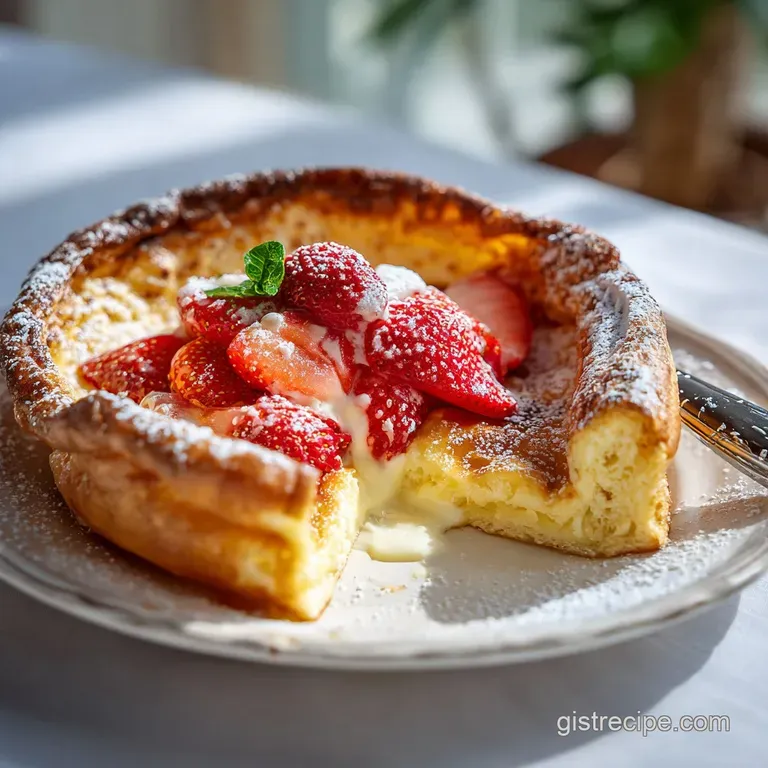
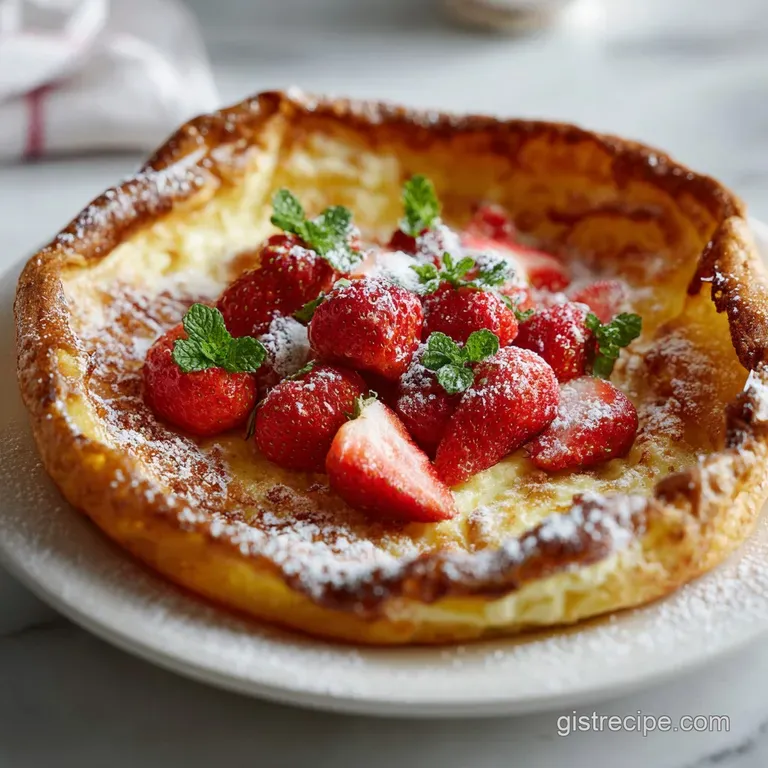
- Flavor/Texture Hook: Shatter crisp edges with a custardy, buttery center
- Perfect for: Lazy weekend brunches or a budget-friendly breakfast for-dinner
- How to Actually Nail This easy german pancakes recipe
- Recipe Specs and Cook Method Comparison
- The Essential Pantry Items for a Better Batter
- The Best Kitchen Gear for Achieving Massive Rise
- Bringing Your Pancake Together Step by Step
- Troubleshooting Guide for a Flawless Result
- Variations and Substitutions for Every Craving
- Preservation Secrets for Leftover Success
- Perfect Complements to Finish Your Plate
- Clearing Up Common Pancake Myths
- Recipe FAQs
- 📝 Recipe Card
How to Actually Nail This easy german pancakes recipe
The first time I stood in front of my oven glass and watched an easy german pancakes recipe do its thing, I actually gasped. There is something almost magical about watching a flat, liquid batter suddenly catch the heat and swell into a giant, golden mountain range of dough.
The aroma hits you first - that intoxicating smell of browning butter meeting toasted flour - and then comes the sizzle as the edges pull away from the cast iron. It is a sensory overload in the best possible way, and honestly, it is one of the most reliable ways I know to feel like a pro chef with about five minutes of actual work.
I used to think you needed some secret technique or a specific family heirloom pan to get that massive rise, but after a lot of trial and error in my own kitchen, I realized it really comes down to the eggs. In this dish, the 3 large eggs act as your engine.
They provide the structure and the protein required to trap steam, which is what actually forces the batter upward. If your eggs are too cold or if you skip the blender step, you end up with a flat, dense disc that tastes fine but lacks that "wow" factor.
We are aiming for something that looks like a piece of edible art, not a heavy omelet.
What I love most about this particular version is how it respects the budget while delivering high end results. You probably have every single ingredient in your pantry right now. No fancy leavening agents, no expensive berries required - just staples like milk, flour, and butter.
It is the ultimate "emergency brunch" for when friends stay over unexpectedly, or when you just want a comforting, warm meal that feels special without costing a fortune. Let's look at why this specific method produces such a consistent result every time.
- The Steam Engine Effect
- Unlike traditional flapjacks that rely on baking powder, this recipe uses the rapid evaporation of liquid in a hot oven to create lift.
- Protein Scaffolding
- The eggs provide a flexible structure that expands with the steam and then sets as it cooks, holding the "walls" of the pancake in place.
- Thermal Shock
- Pouring cool batter into a 425°F (220°C) preheated skillet creates an immediate sear on the bottom, forcing the remaining liquid to expand upward rather than outward.
- Flour Hydration
- A short 5 minute rest allows the starch granules in the flour to swell, which results in a smoother texture and a more stable rise.
Recipe Specs and Cook Method Comparison
When it comes to making this easy german pancakes recipe, you might wonder if you can just do it on the stovetop like a regular pancake. The short answer is no, not if you want that signature puff.
The stovetop only provides heat from one direction, which is great for browning but terrible for creating a three dimensional rise. The oven provides ambient heat that surrounds the pan, allowing the batter to "climb" the sides.
| Method | Time | Texture | Best For |
|---|---|---|---|
| Traditional Oven | 20 minutes | Massive rise, crispy edges, custardy center | The classic, dramatic presentation |
| Stovetop Skillet | 10 minutes | Flat, dense, more like a crêpe | Quick snacks without the "wow" factor |
| Air Fryer | 12 minutes | High rise but can brown too quickly | Small batches for one or two people |
The oven method is the gold standard for a reason. It uses the heavy residual heat of the cast iron to jumpstart the cooking process. If you have ever tried a fluffy pancakes recipe on the griddle, you know it is all about the bubbles. Here, it is all about the steam. Choosing the right method determines whether you get a flat bread or a towering masterpiece.
The Essential Pantry Items for a Better Batter
The beauty of this dish lies in its simplicity, but because there are so few components, each one has a big job to do. I always reach for whole milk because the fat content contributes to a much more velvety mouthfeel. If you use skim milk, the pancake can turn out a bit "tough" or rubbery.
It is a small trade off that makes a huge difference in the final bite.
| Ingredient | Science Role | Pro Secret |
|---|---|---|
| 3 Large Eggs | Structural base | Use room temperature eggs for a more dramatic, airy rise. |
| All Purpose Flour | Provides gluten | Measure by weight (95g) to avoid a heavy, dense interior. |
| Unsalted Butter | Fat & browning | Swirl until it smells nutty (brown butter) for deeper flavor. |
| Whole Milk | Hydration & fat | Cold milk is fine, but slightly warm milk helps the flour hydrate faster. |
Using the right flour is also non negotiable. Stick with all purpose. Bread flour has too much protein and will make the pancake chewy, while cake flour doesn't have enough "grip" to hold the height.
If you are looking for ways to save money, buy flour and eggs in bulk; this recipe is one of the cheapest ways to feed four people a high-quality breakfast.
- 3 large eggs: Why this? Essential for structure; the proteins create the walls that hold the steam lift.
- 3/4 cup whole milk (180ml): Why this? Adds richness and liquid for steam; use full fat for the best velvety texture.
- 3/4 cup all purpose flour (95g): Why this? The perfect middle ground protein content for a rise that isn't tough.
- 1 tbsp granulated sugar (12g): Why this? Aids in browning (caramelization) and adds a hint of sweetness to the dough.
- 1 tsp vanilla extract (5ml): Why this? Provides that classic bakery aroma that makes the dish feel premium.
- 1/4 tsp salt (1.5g): Why this? Sharpens all the other flavors; without it, the pancake tastes flat.
- 3 tbsp unsalted butter (42g): Why this? Prevents sticking and fries the bottom of the batter for a crispy crust.
- 1 tbsp powdered sugar: Why this? For the traditional finish; melts slightly into the warm surface.
- 4 fresh lemon wedges: Why this? The acidity cuts through the buttery richness perfectly.
| Original Ingredient | Substitute | Why It Works |
|---|---|---|
| Whole Milk | Evaporated Milk (50/50 with water) | Similar fat content. Note: Gives a slightly "cooked" or caramelized flavor. |
| Unsalted Butter | Salted Butter | Works perfectly. Note: Just omit the 1/4 tsp salt from the batter. |
| Granulated Sugar | Maple Syrup | Adds moisture and a woody sweetness. Note: The edges may brown faster. |
The Best Kitchen Gear for Achieving Massive Rise
The most important tool in your arsenal is a 10 inch or 12 inch cast iron skillet. Cast iron is a beast at retaining heat. When you pull that pan out of a 425°F (220°C) oven, it stays hot long enough to start cooking the batter the second it hits the surface.
If you use a thin stainless steel or non stick pan, it loses heat too quickly, and your pancake might struggle to get off the ground.
A high speed blender is my second "must have." Sure, you can use a whisk and some elbow grease, but the blender does something special. It aerates the eggs and incorporates the flour so thoroughly that there are zero lumps. Lumps are the enemy of a good rise because they act like little anchors, weighing the batter down. If you're also making something like a homemade mayonnaise, you already know how a blender can transform simple liquids into something silky and stable.
Chef's Tip: If you don't have a cast iron skillet, a heavy glass 9x13 baking dish can work, but you won't get the same dark, crispy crust on the bottom. If using glass, do not preheat it empty as it might shatter; instead, put the butter in the dish while the oven preheats.
Bringing Your Pancake Together step-by-step
- Preheat the skillet. Place your 10 inch or 12 inch cast iron skillet into the oven and set it to 425°F (220°C). Note: This ensures the pan is a heat reservoir.
- Blend the base. In a high speed blender, add the 3 eggs, 3/4 cup milk, 3/4 cup flour, 1 tbsp sugar, 1 tsp vanilla, and 1/4 tsp salt.
- Emulsify the batter. Pulse on high for 20-30 seconds until the mixture is completely smooth and frothy.
- Let it rest. Allow the batter to sit for 5 minutes. Note: This is the secret to a stable rise; it lets the gluten relax and the starch hydrate.
- Melt the butter. Carefully remove the hot skillet from the oven. Drop in the 3 tbsp of butter and swirl until it is melted, bubbling, and slightly nutty.
- Pour immediately. Dump the batter right into the center of the bubbling butter. Do not stir it!
- Bake to glory. Return the pan to the oven and bake for 15-20 minutes until the edges are high, golden brown, and crisp.
- Watch the finish. Avoid opening the oven door during the first 15 minutes, or the cold air might cause a premature collapse.
- Final touch. Remove the pan and dust immediately with powdered sugar while it is still steaming.
- Serve fresh. Slice into wedges and serve with lemon wedges to squeeze over the top.
Troubleshooting Guide for a Flawless Result
Even with a reliable method, things can go sideways. The most common heartbreak is a pancake that looks like a balloon in the oven but turns into a flat pancake the moment you touch it. While some deflation is normal (gravity wins eventually!), a total collapse usually means the structure didn't set.
The Mystery of the Deflating Dough
If your pancake falls flat within seconds of leaving the oven, it was likely underbaked. The "walls" need enough time to dry out and become rigid. If the interior is still too moist, it can't support its own weight.
Next time, give it another 2 minutes until the edges are a deep mahogany brown, not just light gold.
The Soggy Bottom Syndrome
A soggy center usually happens if the butter wasn't hot enough when the batter was added. You want that sizzle! If the batter sits in lukewarm butter, it soaks it up rather than frying against it. Also, make sure you aren't using too much fruit or heavy toppings inside the batter, as they release moisture.
| Problem | Root Cause | Solution |
|---|---|---|
| No Rise | Oven or pan too cold | Ensure oven hits 425°F (220°C) and preheat pan for 10 mins. |
| Rubbery Texture | Over mixing or low-fat | Blend just until smooth; use whole milk for better fat content. |
| Burned Bottom | Pan was too close to heat | Move the oven rack to the middle position. |
Common Mistakes Checklist
- ✓ Never skip the preheating step; the pan must be scorching to create steam.
- ✓ Don't peek! Opening the oven door drops the temperature and ruins the rise.
- ✓ Use room temperature eggs to ensure they emulsify properly in the blender.
- ✓ Measure your flour using a scale if possible; even a little extra flour makes it heavy.
- ✓ Let the batter rest for the full 5 minutes to ensure a smooth, lump free finish.
Variations and Substitutions for Every Craving
Once you've mastered the basic easy german pancakes recipe, you can start getting creative without spending extra money. One of my favorite budget friendly swaps is making an "Apple German Pancake." Simply sauté some thinly sliced apples in the butter with a pinch of cinnamon before pouring the batter over them.
The apples get tender and caramelized while the pancake puffs around them.
- If you want a savory twist, do this: Omit the sugar and vanilla, and add 1/2 cup of shredded sharp cheddar and some chopped chives to the batter.
- If you want a chocolate version, do this: Add 1 tbsp of cocoa powder to the blender and top the finished pancake with chocolate chips.
- If you want it extra crispy, do this: Use 4 tbsp of butter instead of 3 and bake on the lowest rack for maximum bottom heat contact.
For a smaller household, you can easily make an easy german pancake recipe for two. Just halve all the ingredients and use an 8 inch skillet or two large ramekins. The cook time will drop by about 5 minutes, so keep a close eye on it.
The beauty of this recipe is that it scales beautifully as long as you maintain the ratio of 1 egg to 1/4 cup milk and 1/4 cup flour.
Preservation Secrets for Leftover Success
Honestly, these are best eaten within minutes of leaving the oven. That's when the contrast between the crispy edges and the soft center is most dramatic. However, if you find yourself with leftovers, don't toss them! You can store them in an airtight container in the fridge for up to 2 days.
To reheat, avoid the microwave at all costs; it will make the dough rubbery and sad. Instead, pop the slices into a toaster oven or an air fryer at 350°F (180°C) for 3-4 minutes. This brings back that essential crunch.
For long term storage, you can freeze individual wedges between layers of parchment paper for up to a month. Reheat directly from frozen in a hot oven until warmed through.
For a zero waste tip: if you have leftover lemon wedges that are starting to look dry, zest them before they go bad and mix the zest into your powdered sugar. It adds an extra punch of citrus aroma that makes the whole dish pop.
You can even use the leftover egg shells (crushed up) in your garden as a calcium boost for your plants!
Perfect Complements to Finish Your Plate
While the traditional lemon and powdered sugar combo is a classic for a reason, you can turn this into a full on feast with a few simple additions. I love serving this with a side of crispy bacon or breakfast sausage to balance out the sweetness.
The salty fat of the meat plays so well with the custardy interior of the pancake.
If you are looking for more fruit, a simple berry compote made from frozen berries and a splash of orange juice is a budget friendly way to add a "gourmet" touch. Since this dish is relatively light in terms of sugar (only 1 tbsp in the whole batter!), it acts as a perfect canvas for whatever toppings you have on hand.
Whether it is a dollop of Greek yogurt, a drizzle of maple syrup, or even a smear of peanut butter, you really can't go wrong.
Clearing Up Common Pancake Myths
One big misconception is that you need "special" flour or a high protein bread flour to get the rise. In reality, the rise comes from the steam and the eggs, not the gluten strength. Using a high protein flour can actually make the pancake too tough to chew.
Stick to the basics; the common pantry staples are your best friends here.
Another myth is that you have to "whisk by hand" to avoid over mixing. While that's true for standard pancakes where you want to keep some lumps, German pancakes are the opposite. You want a perfectly smooth, almost liquid batter.
The blender is actually the superior tool because it ensures the eggs are fully integrated, which is the only way to get that uniform, impressive puff. Searing the meat doesn't "seal in juices," and whisking by hand doesn't "save the rise" it's all about the temperature and the emulsion.

Recipe FAQs
Can a prediabetic have pancakes?
Consult with your healthcare provider for personalized dietary advice. Because this recipe uses refined flour and sugar, it may impact blood glucose levels more significantly than high fiber or protein rich alternatives like our gluten-free dairy-free breakfast options.
What are the ingredients in German pancakes?
Use 3 large room temperature eggs, 3/4 cup whole milk, 3/4 cup all-purpose flour, 1 tablespoon granulated sugar, 1 teaspoon vanilla extract, 1/4 teaspoon salt, and 3 tablespoons unsalted butter. You will also need 1 tablespoon of powdered sugar and 4 fresh lemon wedges for the final serving.
How to make pancakes with 3 ingredients?
Combine equal parts by volume of eggs, milk, and flour in a high speed blender. While this base mimics the structure of a German pancake, note that you will lose the richness and leavening support provided by the butter and sugar found in the traditional version.
What is a Dutch baby?
It is another name for a German pancake, characterized by its large, puffy, and bowl like shape. It is baked in a hot, buttered skillet until the edges rise high and become golden brown and crisp.
How to prevent the pancake from deflating?
Ensure the oven stays closed during the entire 15 20 minute baking time. Opening the door causes a temperature drop that collapses the fragile, steam filled structure before the proteins have fully set.
Is it true the skillet must be preheated?
Yes, this is essential for a successful rise. Preheating your 10 inch or 12 inch cast iron skillet to 425°F ensures the butter sizzles immediately and the batter begins to steam the moment it touches the metal.
How to ensure the batter is smooth?
Pulse the ingredients in a high speed blender for 20 30 seconds. This technique breaks down the flour particles completely and incorporates air, resulting in a slightly frothy consistency that puffs effectively in the heat.
Easy German Pancakes
Ingredients:
Instructions:
Nutrition Facts:
| Calories | 262 kcal |
|---|---|
| Protein | 8.9 g |
| Fat | 14.2 g |
| Carbs | 24.1 g |
| Fiber | 0.6 g |
| Sugar | 5.4 g |
| Sodium | 195 mg |
