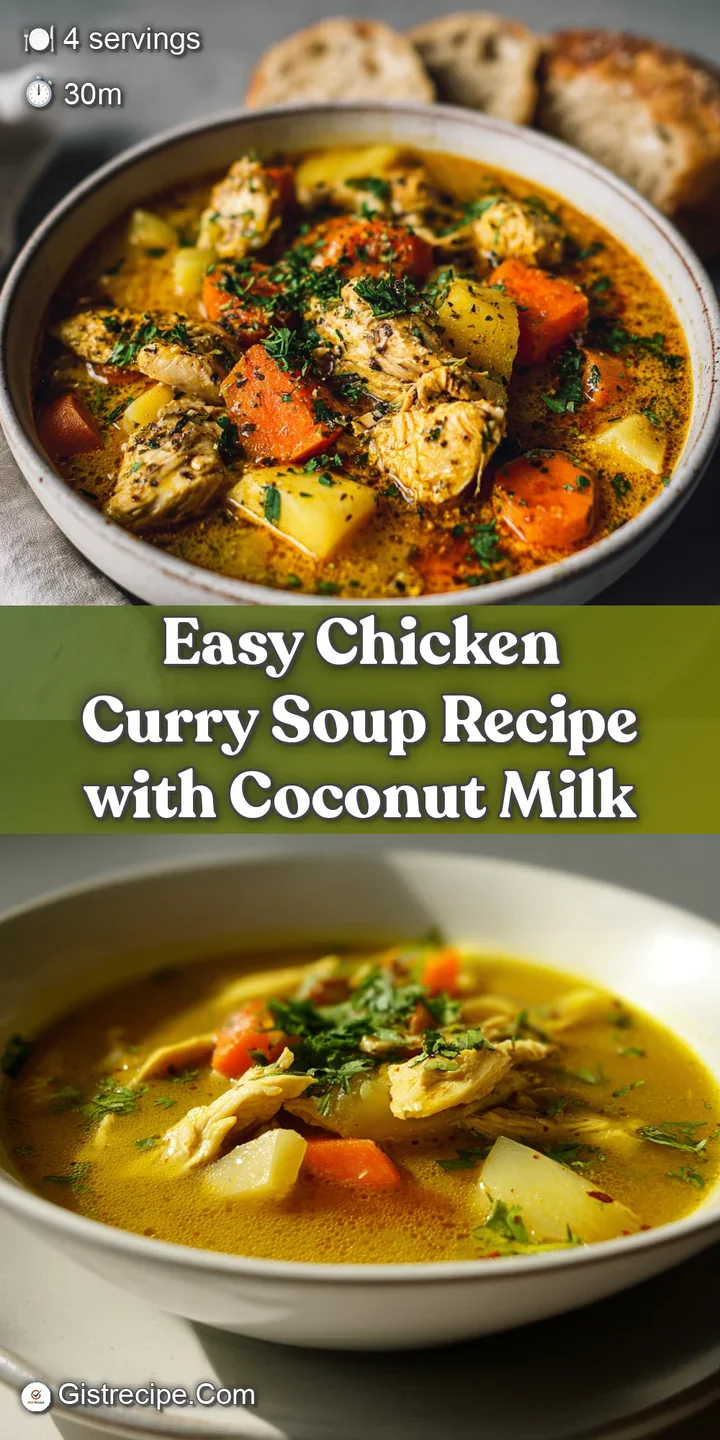
Easy Chicken Curry Soup with Coconut Milk
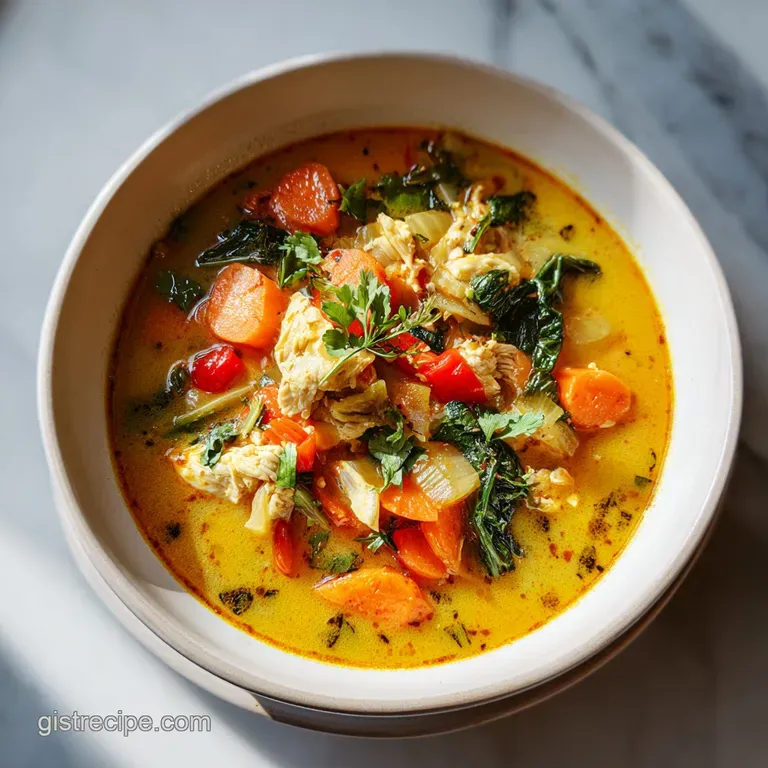
- Time: Active 10 mins, Passive 20 mins, Total 30 mins
- Flavor/Texture Hook: Velvety coconut base with a bright, citrusy finish
- Perfect for: Cold weeknights or a quick, healthy meal prep
- Why This Velvety Curry Recipe Works
- Essential Specs for a Balanced Broth
- Building Blocks for a Better Soup
- Necessary Tools for a Seamless Cook
- Simple Guide from Prep to Plate
- Pro Tips for Fixing Common Mistakes
- Clever Swaps for Every Home Cook
- Storing and Freezing Your Soup Safely
- Garnish Secrets for a Better Finish
- Recipe FAQs
- 📝 Recipe Card
Why This Velvety Curry Recipe Works
Developing a deep flavor in a short amount of time requires understanding how spices interact with heat. In this Chicken Curry Soup, we don't just boil the ingredients; we transform them through specific chemical reactions that maximize the aromatic potential of the red curry paste.
- Aromatic Blooming: Sautéing curry paste in oil dissolves fat soluble flavor compounds, making the spices more potent than if they were simply boiled.
- Maillard Layering: Briefly searing the chicken with the aromatics creates a base layer of savory depth before any liquid is added to the pot.
- Emulsification Stability: Adding coconut milk at the end and simmering gently prevents the fat from separating, maintaining a silky, uniform texture.
- Acid Balance: The lime juice added at the very end breaks down the heavy fats of the coconut milk, brightening the entire flavor profile.
The Alchemy of Bloomed Aromatics
When you hit that red curry paste with the hot coconut oil, you're performing a technique called blooming. Many of the spices in the paste, like cumin and dried chilies, contain essential oils that stay locked away when cold.
The heat coaxes them out into the oil, which then carries that flavor to every other ingredient in the pot. It’s the difference between a soup that tastes "spicy" and one that tastes "complex."
Chicken Texture and Doneness
Knowing exactly when your chicken is ready is the key to avoiding that rubbery, overcooked texture that ruins a good broth. Because we are slicing the 1 lb of boneless chicken breast into thin strips, they cook incredibly fast.
| Chicken Thickness | Simmer Time | Visual Cue | Texture Goal |
|---|---|---|---|
| 1/4 inch strips | 5-7 minutes | Opaque throughout | Soft and yielding |
| 1/2 inch strips | 8-10 minutes | No pink center | Firm but juicy |
| 1 inch chunks | 12-15 minutes | White to the core | Dense and hearty |
Essential Specs for a Balanced Broth
To get this recipe right every time, we need to look at the roles of our key components. This isn't just a list of things to buy; it's a breakdown of how they behave in the pot. If you've ever enjoyed a Greek Sheet Pan recipe, you know that the quality of your protein and the balance of acids make all the difference.
| Component | Role in Dish | Pro Secret |
|---|---|---|
| Red Curry Paste | Flavor Engine | Always sauté until it smells fragrant and turns a shade darker. |
| Full fat Coconut Milk | Texture Provider | Use full fat for a velvety mouthfeel; light versions can feel watery. |
| Fish Sauce | Umami Anchor | Don't smell it raw; it adds a savory depth that salt alone can't touch. |
| Fresh Ginger | Aromatic Brightness | Grate it finely so it dissolves into the broth rather than leaving chunks. |
This soup relies on the interaction between the richness of the 14 oz of coconut milk and the saltiness of the fish sauce. The 4 cups of chicken broth provide the volume, but the "soul" comes from those concentrated aromatics. It’s a delicate dance of heat and creaminess.
Building Blocks for a Better Soup
Gathering your ingredients is the first step toward a successful dinner. I always recommend having everything prepped and ready (mise en place) because once the oil is hot, things move fast.
- 1 tbsp coconut oil: This provides a subtle nutty base that complements the soup.
Why this? It has a high smoke point and matches the Thai inspired flavor profile.
- Substitute: Avocado oil or any neutral vegetable oil.
- 1 medium yellow onion, finely diced: The foundation of our aromatic base.
Why this? Yellow onions provide a balanced sweetness when sautéed.
- Substitute: Shallots for a more delicate, garlicky flavor.
- 3 cloves garlic, minced: Essential for that pungent, savory kick.
Why this? Fresh garlic is non negotiable for a vibrant broth.
- Substitute: 1 tsp garlic powder (but fresh is much better).
- 1 tbsp fresh ginger, grated: Adds heat and a refreshing zing.
Why this? Ginger cuts through the heavy fat of the coconut milk.
- Substitute: 1/2 tsp ground ginger.
- 2 tbsp red curry paste: The concentrated source of spice and herb flavors.
Why this? Using a quality paste saves hours of grinding individual spices.
- Substitute: Yellow curry paste for a milder, sweeter heat.
- 1 lb chicken breast strips: Our lean protein source.
Why this? It absorbs the flavors of the broth without becoming greasy.
- Substitute: Sliced chicken thighs for more moisture.
- 4 cups low sodium chicken broth: The liquid body of our soup.
Why this? Low sodium allows you to control the final salt level via fish sauce.
- Substitute: Vegetable broth for a lighter taste.
- 14 oz full fat coconut milk: Creates the luxurious, creamy texture.
Why this? It provides the necessary fat to carry the spice flavors.
- Substitute: Heavy cream (though you'll lose the coconut note).
- 1 tbsp fish sauce: The secret ingredient for savory complexity.
Why this? It provides a deep saltiness that balances the coconut sweetness.
- Substitute: Soy sauce or tamari.
- 1 tsp ground turmeric: For health benefits and that iconic golden hue.
Why this? It enhances the color and adds an earthy undertone.
- Substitute: 1/2 tsp saffron threads.
- 1 cup red bell pepper, thinly sliced: Adds crunch and a pop of color.
Why this? Red peppers are sweeter than green ones, balancing the spice.
- Substitute: Sliced carrots or snap peas.
- 1 tbsp lime juice: The final hit of acidity.
Why this? Acid "wakes up" the flavors right before serving.
- Substitute: Lemon juice or rice vinegar.
- 1/4 cup fresh cilantro, chopped: For a fresh, herbal finish.
Why this? It adds a cooling contrast to the warm spices.
- Substitute: Fresh Thai basil or scallions.
Necessary Tools for a Seamless Cook
You don't need a kitchen full of gadgets for this Chicken Curry Soup, but a few specific items will make your life much easier.
Chef's Tip: Use a microplane to grate your ginger and garlic. It turns them into a paste almost instantly, allowing them to melt into the oil without leaving behind any woody bits that might get stuck in your teeth.
2 Must Have Tools
- A Heavy Bottomed Pot: I usually reach for my 5 quart Dutch oven (like a Le Creuset or Lodge). The heavy base prevents the curry paste from scorching, which can happen in thin stainless steel pots.
- A Sharp Chef's Knife: Since the prep involves dicing onions, mincing garlic, and slicing chicken, a sharp blade ensures clean cuts and keeps your fingers safe.
Simple Guide from Prep to Plate
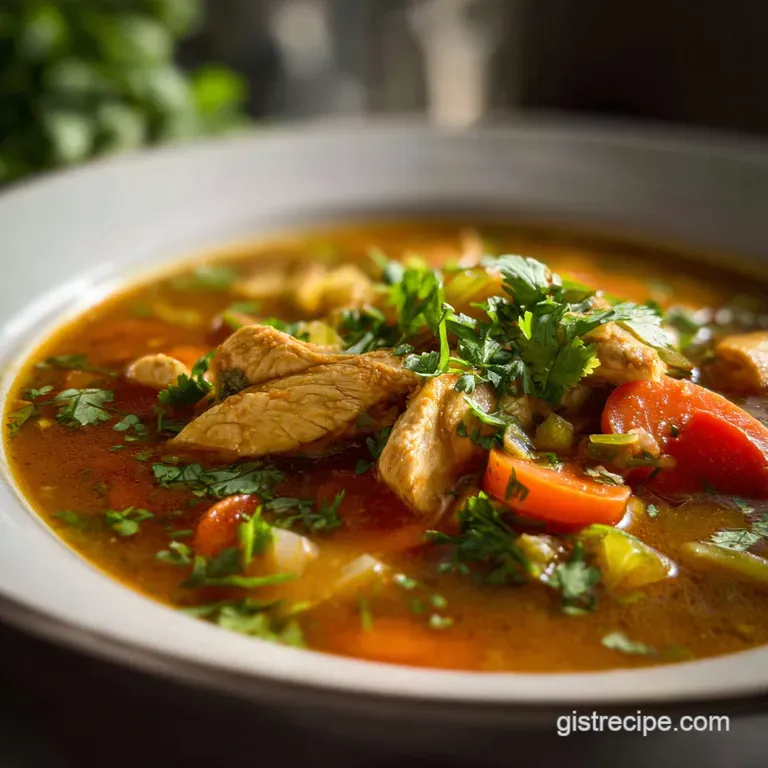
This is where the magic happens. Follow these steps closely, especially the "sizzle" parts, to ensure your broth is as flavorful as possible. If you are a fan of quick meals like this, you might also enjoy a Chicken Tenderloin Recipe for another fast weeknight win.
- Heat the oil. Place your pot over medium heat and add the 1 tbsp of coconut oil.
- Sauté the aromatics. Add the diced yellow onion and cook for 3-5 minutes until translucent and softened.
- Release the fragrance. Stir in the 3 minced garlic cloves, 1 tbsp grated ginger, and 2 tbsp red curry paste. Note: This step is vital for "blooming" the spices.
- Sizzle the paste. Cook the aromatics for about 1 minute until the mixture is fragrant and slightly darkened.
- Sear the chicken. Add the 1 lb of chicken breast strips to the pot. Cook for 2-3 minutes until the outside is no longer pink, tossing it in the spice paste.
- Add the liquids. Pour in the 4 cups of chicken broth, 14 oz coconut milk, 1 tbsp fish sauce, and 1 tsp turmeric.
- Simmer the base. Bring the soup to a gentle boil, then reduce heat and simmer for 10 minutes until the chicken is cooked through.
- Add the crunch. Toss in the 1 cup of sliced red bell pepper during the last 3-4 minutes of simmering until crisp tender.
- Brighten the finish. Turn off the heat and stir in the 1 tbsp of lime juice. Note: Heat can dull the fresh lime flavor, so do this last.
- Garnish and serve. Ladle the soup into bowls and top with the 1/4 cup of fresh cilantro.
Pro Tips for Fixing Common Mistakes
Even the best cooks run into trouble sometimes. The most common issue with this Chicken Curry Soup is the texture of the broth or the intensity of the spice.
Why Your Curry Broth Curdles
If you boil the soup too vigorously after adding the coconut milk, the fat can separate from the liquid. This results in a grainy, unappealing appearance. To fix this, always keep the soup at a gentle simmer rather than a rolling boil.
If it has already happened, you can sometimes save it by taking a small amount of the broth and whisking it with a teaspoon of cornstarch before stirring it back in.
Why the Flavor Tastes Flat
If your soup tastes "okay" but doesn't make you say "wow," it’s likely missing salt or acid. The fish sauce provides the salt and umami, while the lime juice provides the acid. Taste a spoonful; if it feels heavy or dull, add another squeeze of lime. If it feels watery, add a splash more fish sauce.
| Problem | Root Cause | Solution |
|---|---|---|
| Too Spicy | Too much curry paste | Add an extra splash of coconut milk or a teaspoon of brown sugar. |
| Bland Broth | Curry paste wasn't bloomed | Sauté 1 tsp of paste in a separate pan with oil, then stir back in. |
| Tough Chicken | Overboiled | Reduce simmer time next time; use chicken thighs for more forgiveness. |
Common Mistakes Checklist
- ✓ Don't skip the "blooming" phase - raw curry paste tastes metallic.
- ✓ Use full fat coconut milk; the "light" version won't give you that shatter proof creaminess.
- ✓ Add the lime juice after turning off the heat to preserve its brightness.
- ✓ Cut your chicken into uniform strips so they all finish cooking at the same time.
- ✓ If using frozen chicken, defrost it completely before starting to prevent excess water from diluting the broth.
Clever Swaps for Every Home Cook
This recipe is incredibly flexible. Whether you're trying to save money or need to feed a crowd, there are ways to adjust without losing that comforting vibe.
Scaling the RecipeTo Feed 8 (2x): Double all ingredients but only use 1.5x the salt or fish sauce initially. You can always add more at the end. Use a larger pot to ensure the chicken sears rather than steams. To Feed 2 (1/2x): Use a smaller saucepan.
Reduce the simmer time by about 2-3 minutes as smaller volumes heat up and cook through faster.
Budget and Method Comparison
If you're watching your wallet or your time, you can choose how to approach this dish based on what you have on hand.
| Method | Time | Texture | Best For |
|---|---|---|---|
| Stovetop (Standard) | 30 minutes | Velvety and fresh | A quick, reliable weeknight dinner. |
| Slow Cooker | 4 hours | Shredded and deep | Meal prep or hands off weekends. |
| Instant Pot | 15 minutes | Intense and infused | When you're in a massive rush. |
For the Plant Based Crowd
You can easily turn this into a vegetarian or vegan delight. Swap the chicken for 1 lb of extra firm tofu (pressed and cubed) or a can of chickpeas. Replace the fish sauce with soy sauce or a vegan "no fish" sauce. The 14 oz of coconut milk already makes it naturally dairy-free, which is a huge plus!
Storing and Freezing Your Soup Safely
One of the best things about this Chicken Curry Soup is that it tastes even better the next day as the spices continue to mingle.
Storage GuidelinesFridge: Store in an airtight container for up to 3 to 4 days. The coconut milk might solidify a bit when cold, but it will melt back into the broth perfectly when heated. Freezer: This soup freezes surprisingly well for up to 2 months.
Just leave a little space at the top of your container for expansion. Note: The red bell peppers might be a bit softer after thawing.
Reheating Warm it up on the stove over low medium heat. Avoid the microwave if possible, as it can heat unevenly and cause the coconut milk to separate. If it seems too thick after being in the fridge, add a splash of chicken broth or water to loosen it up.
Zero Waste Tip Don't throw away your cilantro stems! They have more flavor than the leaves. Finely mince the stems and add them into the pot at the same time as the garlic and ginger to infuse the broth with even more herbal notes.
Garnish Secrets for a Better Finish
Presentation isn't just about looks; it adds another layer of texture. Since this soup is quite soft and creamy, adding something with a bit of "shatter" or crunch makes every bite more interesting.
- The Color Contrast: That golden turmeric broth looks stunning against the bright green of fresh cilantro. If you want more color, a few slices of fresh red chili on top look professional and add a fresh heat.
- The Texture Addition: Crushed peanuts or fried shallots are my go to toppings. They provide a salty crunch that contrasts beautifully with the velvety coconut milk.
- The Final Drizzle: If you have any extra coconut milk, a tiny swirl on top of the bowl right before serving creates a beautiful marble effect.
3 Step Finishing Timeline
- Step 1: Stir in the lime juice immediately after taking the pot off the heat.
- Step 2: Ladle the soup into warmed bowls to keep it hot longer.
- Step 3: Top with fresh cilantro and crunchy elements just seconds before the bowl hits the table so they don't get soggy.
This soup is a reliable classic that has saved me from many a boring dinner. It's foolproof, comforting, and packs a punch of flavor that you just can't get from a canned version. Give it a try, and you'll see why it's a staple in my kitchen!
Recipe FAQs
What is the most delicious soup in the world?
This is subjective, but Chicken Curry Soup is a top contender for weeknights. It balances rich coconut creaminess with bright, warming spices like ginger and chili. Many find this layered flavor profile deeply satisfying, far beyond a simple broth.
What are some common curry soup mistakes?
The most common mistake is skipping the blooming process for the curry paste. If you add the paste directly to the broth, it tastes raw and metallic; you must sauté it in oil first to release its fat-soluble flavors.
Is curry healthy or unhealthy?
Generally, curry ingredients are very healthy, depending on the base used. Turmeric offers anti inflammatory benefits, and this recipe uses lean chicken; however, using full fat coconut milk adds saturated fat, which should be consumed in moderation.
Can you make curry into a soup?
Yes, this recipe is proof that you absolutely can and should make curry into a soup. By increasing the broth-to-paste ratio and finishing with an acidic element like lime, you transform a thick curry into a velvety, flavorful broth.
Why does my coconut milk keep separating when I simmer the soup?
False, you should never boil the soup vigorously after adding the coconut milk. Excessive, rolling heat causes the fat in the milk to separate from the liquid, resulting in a grainy texture. Keep the temperature at a gentle simmer to maintain that essential velvety mouthfeel.
How do I deepen the flavor if I only have 30 minutes to cook?
Maximize your time by focusing intently on blooming the spices for one full minute. Sauté the curry paste with the garlic and ginger until it darkens slightly, coaxing out maximum flavor before adding the liquid base. If you master this technique here, you’ll achieve similar flavor depth in our Split Chicken Breast recipe by focusing on high heat searing.
What’s the secret to a balanced flavor profile in this creamy soup?
The secret is balancing richness with acid and umami right at the end. The richness comes from the coconut milk, but you must balance it with salt (fish sauce) and brightness (lime juice) once the cooking is done.
Easy Chicken Curry Soup
Ingredients:
Instructions:
Nutrition Facts:
| Calories | 418 kcal |
|---|---|
| Protein | 29.9 g |
| Fat | 28.1 g |
| Carbs | 12.2 g |
| Fiber | 1.8 g |
| Sugar | 4.1 g |
| Sodium | 780 mg |
