Best Homemade Corn Salsa: Smoky and Fresh
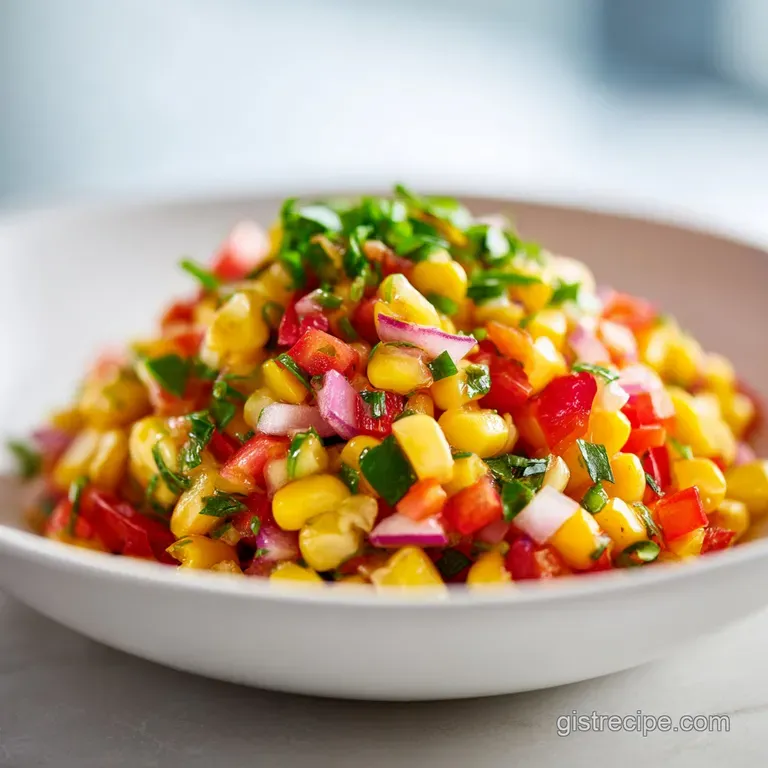
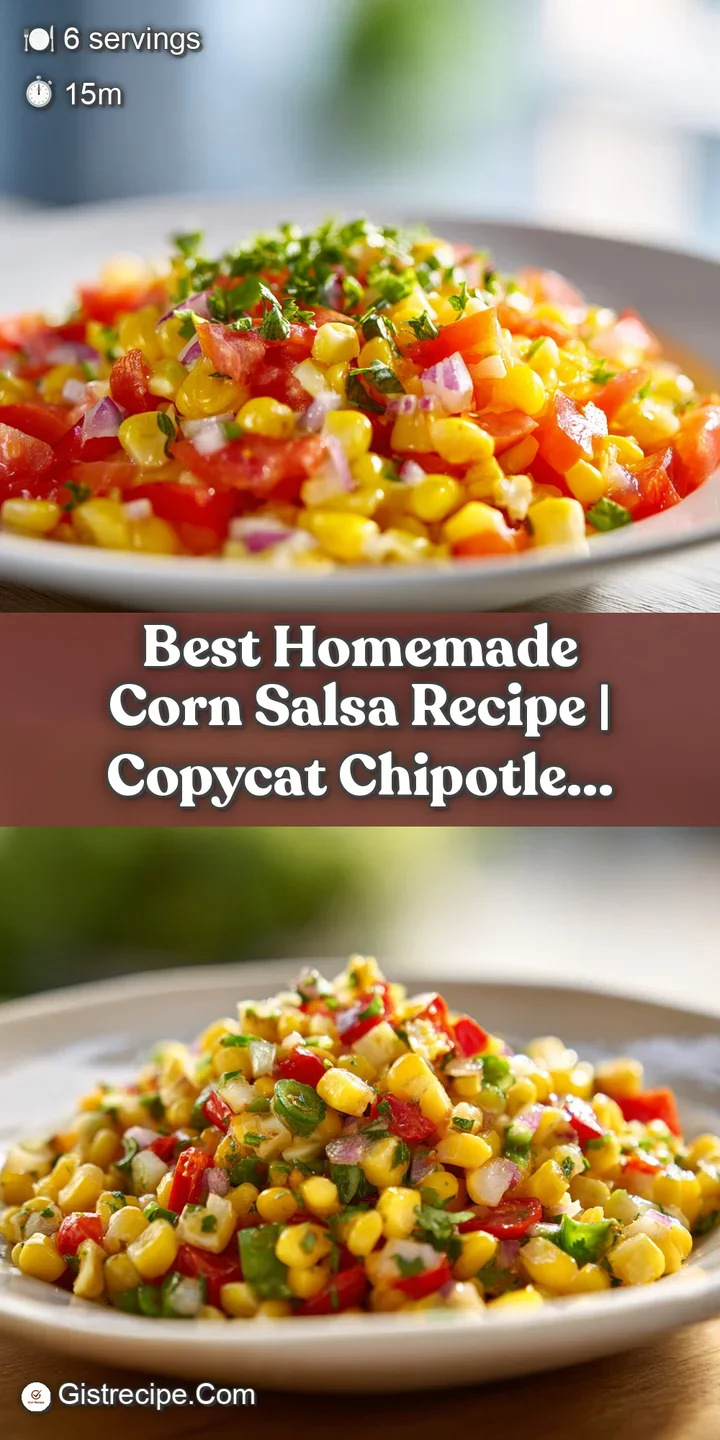
- Time: Active 10 minutes, Passive 5 minutes, Total 15 minutes
- Flavor/Texture Hook: Smoky, charred corn with a snappy, citrus bright crunch
- Perfect for: Backyard barbecues, taco nights, or meal prepped burrito bowls
- Crafting the Best Homemade Corn Salsa Recipe
- Numerical Precision for Vibrant Side Dishes
- Selecting Elements for Bold Seasonal Flavor
- Essential Tools for Texture and Speed
- Executing the Perfect Flavor Combination
- Achieving Consistency and Balanced Heat
- Innovative Variations for Diverse Palates
- Preserving Freshness and Vibrant Textures
- Pairing Suggestions for Summer Cookouts
- Frequently Debunked Kitchen Tales
- Recipe FAQs
- 📝 Recipe Card
Crafting the Best Homemade Corn Salsa Recipe
Picture this: the sun is dipping low on a humid July evening, and the air smells like cut grass and charcoal. You hear that sharp, rhythmic pop pop pop of corn kernels hitting a blistering hot cast iron skillet.
As they hit the pan, the natural sugars start to caramelize, turning from a pale buttery yellow to a deep, toasted gold with little flecks of black char. That aroma sweet, smoky, and earthy is exactly where this dish begins.
We've all had those salsas that feel like an afterthought, right? Just some canned corn tossed with a bit of jarred lime juice. It's fine, but it doesn't sing. This version is different because it focuses on the contrast of temperatures and textures.
We want the corn to be warm and smoky, but we want the red onions to be cold, crisp, and slightly pickled by the citrus. It’s that dance between the savory char and the bright, zingy dressing that makes this the only recipe I ever pull out when the grill is hot.
Honestly, the first time I made this, I didn't realize how much of a difference the "maceration" step made. I used to just throw everything in a bowl and serve it immediately. The result was always a bit harsh the raw onion bite was too strong, and the peppers felt disconnected.
Once I started letting the onions and peppers hang out in the lime juice first, the whole flavor profile transformed. The onions soften, the heat from the jalapeños mellows into the liquid, and everything becomes one cohesive, vibrant bite.
Trust me, it’s a total shift in how you’ll think about raw salsas.
Numerical Precision for Vibrant Side Dishes
Success in the kitchen often comes down to the small details we usually overlook. When we talk about this specific corn salsa, the magic happens in the timing of the sear and the rest. If you sear the corn for too long, it loses its "pop" and becomes chewy.
If you don't let the aromatics sit in the acid, you miss out on that subtle pickling effect that cuts through the sweetness of the corn.
The following science backed reasons explain why these specific steps create such a bold result. It’s not just about mixing things together; it’s about managing the physical state of each ingredient to ensure they hit your tongue with maximum impact.
- Maceration Softening: Soaking onions in lime juice breaks down the harsh sulfur compounds, turning a sharp bite into a tangy, sweet crunch.
- Starch Caramelization: A dry pan sear triggers the Maillard reaction in the corn's natural sugars, adding a savory, smoky dimension that raw corn lacks.
- Acid Base Balance: The combination of lime and lemon provides a dual citrus profile that brightens the earthy cumin and honey.
- Cellular Dehydration: Salt draws out a tiny amount of moisture from the peppers, allowing the dressing to penetrate deep into the vegetables rather than just sitting on top.
| Method | Time | Texture | Best For |
|---|---|---|---|
| Fast (Canned) | 5 minutes | Soft and consistent | Quick weeknight tacos |
| Classic (Fresh Charred) | 15 minutes | Snappy with smoky edges | Authentic summer BBQs |
| Thawed (Frozen) | 10 minutes | Tender and juicy | Year round meal prep |
Getting the texture right is the biggest hurdle for most home cooks. Most people think they need oil to cook corn, but a dry skillet is actually your best friend here. Oil can lead to steaming, which makes the corn mushy.
A dry, hot pan allows for direct contact between the corn skin and the metal, leading to those beautiful dark spots without overcooking the interior of the kernel.
Selecting Elements for Bold Seasonal Flavor
When you're shopping for this corn salsa, the quality of your produce is everything. I always look for corn that feels heavy for its size and has bright green, moist husks. If you're using frozen corn, look for "super sweet" varieties, as they hold up better to the over high heat sear.
| Ingredient | Science Role | Pro Secret |
|---|---|---|
| Fresh Corn | Provides the structural "snap" and natural sugar base | Use a dry cast iron pan to achieve a "popcorn" aroma |
| Red Onion | Adds sharp contrast and a vibrant purple visual | Dice smaller than the corn kernels to ensure even distribution |
| Lime Juice | Breaks down plant fibers and acts as the primary flavor vehicle | Roll the lime on the counter before squeezing to maximize yield |
| Poblano Pepper | Offers a deep, earthy heat without the spice of a jalapeño | Remove all white pith to keep the flavor clean and bright |
- 3 cups corn
- Fresh is best, but frozen (thawed) or canned (well drained) works. Why this? The corn provides the base texture and the primary sweetness for the dish.
- 0.5 cup red onion
- Finely diced. Why this? Red onion offers a sharper, more complex flavor than white or yellow onion when raw.
- 2 jalapeño peppers
- Seeded and minced. Why this? These provide the "kick" that balances the honey and corn sweetness.
- 0.25 cup poblano pepper
- Finely diced. Why this? Poblanos add an earthy, smoky undertone that jalapeños lack.
- 0.5 cup fresh cilantro
- Packed and chopped. Why this? This herb adds a floral, citrusy finish that ties the salsa together.
- 3 tbsp fresh lime juice
- Freshly squeezed. Why this? The citric acid is essential for macerating the onions and brightening the corn.
- 1 tbsp fresh lemon juice
- For a different acidic note. Why this? Combining two citruses creates a more layered, complex acidity.
- 1 tsp honey or agave
- To balance the heat. Why this? A tiny bit of sugar rounds out the sharp edges of the peppers and lime.
- 0.5 tsp ground cumin
- For warmth. Why this? Cumin adds an aromatic, savory depth that mimics the smell of a grill.
- 1 tsp flaky sea salt
- To make flavors pop. Why this? Flaky salt provides little "bursts" of flavor rather than a uniform saltiness.
Essential Tools for Texture and Speed
You don't need a professional kitchen to make the best homemade corn salsa recipe, but a few specific tools make the process much smoother. My favorite tool for this is a heavy bottomed cast iron skillet.
It holds heat like nothing else, which is crucial for getting that quick char on the corn without turning it into mush.
If you don't have cast iron, a high-quality stainless steel pan will work, but avoid non stick for the searing step. Non stick pans aren't meant for the high, dry heat required to char vegetables and can release fumes if left too long. Also, a very sharp chef's knife is non negotiable.
You want to cleanly slice through the onion and peppers, not crush them, which keeps the juices inside the vegetable until you take a bite.
Chef's Tip: Use a large Bundt pan to cut corn off the cob. Place the tip of the corn in the center hole, and as you slice down, the bowl catches all the kernels and prevents them from flying across your kitchen!
Another little trick I love is using a handheld citrus press. It gets way more juice out of the limes than just squeezing by hand, and it keeps the seeds out of your salsa. When you’re making a dish with so few ingredients, the quality of every drop of juice matters. If you're looking for a great way to use extra cilantro, you can also whip up a simple cilantro sauce to drizzle over your tacos alongside this salsa.
Executing the Perfect Flavor Combination
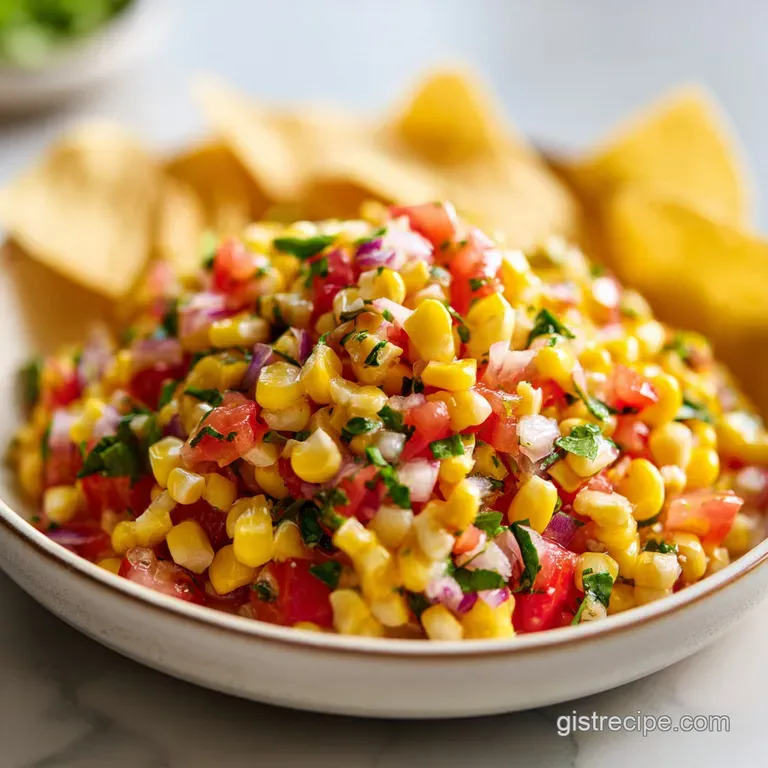
- Macerate the aromatics. In a large glass mixing bowl, combine your 0.5 cup finely diced red onion, 2 minced jalapeños, 3 tbsp lime juice, 1 tbsp lemon juice, and 1 tsp flaky salt. Stir it well and let it sit for 5 to 10 minutes. Note: This is the most important step for flavor development; it pickles the onions slightly.
- Heat the skillet. Place a dry cast iron skillet over medium high heat. Let it get hot enough that a drop of water flicked onto it sizzles and dances immediately.
- Sear the corn. Add your 3 cups of corn in a single, even layer. Let it sit undisturbed for 2-3 minutes. Wait until you hear the kernels popping and see dark brown spots appearing.
- Cool the corn. Once charred, remove the pan from the heat and transfer the corn to a plate. Let it cool for about 5 minutes. Note: Adding hot corn directly to the cold cilantro will cause the herbs to wilt and turn black.
- Prep the poblano. While the corn cools, dice your 0.25 cup poblano pepper into uniform, small pieces.
- Chop the herbs. Roughly chop your 0.5 cup of fresh cilantro. Don't over process it; you want vibrant green leaves, not a paste.
- Incorporate the dry spices. Add the 0.5 tsp ground cumin and 1 tsp honey to the bowl with the macerating onions. Stir to dissolve the honey.
- Combine everything. Toss the charred corn, diced poblano, and chopped cilantro into the mixing bowl.
- Fold gently. Use a large spoon to fold the ingredients together. Toss until the glossy dressing coats every kernel.
- Final Seasoning. Taste a spoonful. If it feels flat, add a pinch more salt. If the heat is too high, add another half teaspoon of honey.
Achieving Consistency and Balanced Heat
One of the biggest mistakes I see people make with corn salsa is letting it get watery. This usually happens because they add too much salt too early to the corn, or they use frozen corn that hasn't been properly drained. Corn is full of water, and salt naturally draws that water out.
By macerating the onions and peppers separately, we control the liquid release.
Why Your Salsa is Watery
If you find a pool of liquid at the bottom of your bowl, it’s likely because the corn was steamed rather than seared. When corn steams, the cell walls break down more than they do during a quick sear, releasing all that internal moisture. Another culprit is using "old" lime juice.
Fresh lime juice has a higher pectin content which helps it slightly emulsify with the honey and corn starches, creating a "sauce" rather than just a puddle.
| Problem | Root Cause | Solution |
|---|---|---|
| Dull Flavor | Lack of acidity or salt | Add an extra squeeze of lime and a pinch of salt right before serving |
| Overwhelming Heat | Jalapeño membranes included | Always scrape out the white ribs of the pepper before mincing |
| Soggy Corn | Overcrowding the pan | Sear the corn in two batches if your skillet is smaller than 12 inches |
Mastering the Texture Balance
The "snap" of the corn should contrast with the "crunch" of the onion. If everything is soft, the salsa feels like a mushy relish. To keep things crisp, always ensure your corn is at room temperature or cooler before mixing it with the other ingredients.
The residual heat from the corn can actually "cook" the onions and cilantro if you aren't careful, leading to a loss of that vibrant, fresh texture we're aiming for.
Common Mistakes Checklist:
- ✓ Pat frozen corn completely dry with paper towels before searing (prevents steaming)
- ✓ Avoid using bottled lime juice; the preservatives change the flavor profile entirely
- ✓ Don't skip the honey; it’s not for sweetness, but to bridge the gap between the acid and the heat
- ✓ Cut all vegetables to a similar size (about the size of a corn kernel) for a better "mouthfeel"
- ✓ Let the salsa sit for at least 15 minutes after mixing to let flavors meld
Innovative Variations for Diverse Palates
While the best homemade corn salsa recipe is a masterpiece on its own, it’s also a fantastic base for experimentation. If you're hosting a party and want something heartier, you can easily turn this into a "cowboy" style dip.
The Black Bean and Corn Power Up
Adding a can of rinsed black beans is the easiest way to transform this from a garnish into a substantial side dish. The creamy texture of the beans pairs beautifully with the charred corn. If you do this, I recommend doubling the lime juice and salt to ensure the beans are properly seasoned. It's a great accompaniment to something like a crockpot cowboy casserole if you're leaning into that hearty, Southwestern vibe.
The Tropical Heat Swap
For a summer twist, try replacing half of the corn with diced fresh mango or pineapple. The sweetness of the fruit with the smoky corn is absolutely transformative. If you go the fruit route, I usually swap the cumin for a pinch of chili powder or Tajín to lean into that "mexican street fruit" flavor profile.
| Original Ingredient | Substitute | Why It Works |
|---|---|---|
| Honey | Maple Syrup | Adds a darker, woody sweetness that pairs well with smoked meats |
| Red Onion | Pickled Shallots | Provides a softer, more refined acid hit without the raw bite |
| Cilantro | Fresh Mint | Creates a much more refreshing, mojito like profile. Note: Best for fruit heavy versions |
Preserving Freshness and Vibrant Textures
This salsa is best eaten the day it's made, but it can handle a bit of time in the fridge if stored correctly. The main enemy here is oxidation. The cilantro will start to turn dark and the onions will lose their crispness after about 24 hours.
Storage Guidelines:Fridge: Keep in an airtight glass container for up to 3 days. The flavor actually peaks around hour 4, but the texture starts to decline after day 2. Freezer: I do not recommend freezing this salsa.
The cell walls of the peppers and onions will collapse upon thawing, leaving you with a watery, mushy mess. If you must preserve it, freeze the charred corn on its own, then add fresh aromatics when you're ready to serve.
Zero Waste Tips: Don't throw away those corn cobs! Even after you've sliced the kernels off, the cobs are packed with "corn milk" and flavor. Simmer them in a pot of water with some onion scraps and peppercorns to make a delicious corn stock.
You can use this stock as a base for chowders or even use it to cook the rice for your burrito bowls. Also, the stems of the cilantro are actually more flavorful than the leaves finely mince them and add them right into the maceration step with the onions!
Pairing Suggestions for Summer Cookouts
This salsa is incredibly versatile. While it’s the classic companion for tortilla chips, don't stop there. It’s a bold, vibrant addition to grilled fish or shrimp tacos. The smokiness of the corn complements the charred flavors of the grill perfectly.
The Ultimate Burrito Bowl
If you're into meal prepping, this salsa is a game changer. Layer it over some cilantro lime rice, add some grilled chicken or steak, a scoop of black beans, and a dollop of Greek yogurt (a great high protein swap for sour cream).
Because this salsa has its own built in dressing from the lime and honey, you don't even need an extra sauce for the bowl.
The Backyard Dip Platter
When I'm serving a crowd, I like to put this salsa in the center of a large platter surrounded by a variety of dippers. Think beyond just chips jicama sticks, cucumber slices, and even bell pepper wedges are fantastic. The crispness of the raw vegetables against the smoky, soft corn is a texture lover's dream.
Frequently Debunked Kitchen Tales
One myth I hear all the time is that you must use fresh corn for a good salsa. While fresh corn is lovely in August, high-quality frozen corn is often "fresher" than the corn sitting in the grocery store in January because it was flash frozen at its peak.
As long as you give it that dry sear treatment to remove the excess moisture, frozen corn can produce a result that is 90% as good as fresh.
Another common misconception is that the jalapeño seeds are where all the heat is. In reality, most of the capsaicin (the spicy stuff) is in the white pith or "ribs" of the pepper.
If you want a milder salsa, don't just dump out the seeds make sure you use a spoon to scrape out every bit of that white membrane. This allows you to get the flavor of the pepper without the fire.
Finally,, some people think that adding acid (like lime juice) "cooks" the vegetables like a ceviche. While the acid does break down the hemicellulose in the plant cell walls, it doesn't "cook" them in the sense of heat. It simply softens the texture.
This is why the maceration step is so critical it changes the texture of the onion from "crunchy and offensive" to "tender and integrated." Trust the process, and your taste buds will thank you!
Recipe FAQs
What makes Mexican restaurant salsa so good?
It comes down to balancing acid and aromatics through maceration. By letting red onions and jalapeños sit in lime and lemon juice for 10 minutes, you soften the raw bite and create a punchy, integrated base that elevates the sweetness of the corn.
Why is Chipotle's corn salsa so good?
The secret is in the contrast of heat and char. The restaurant style relies on distinct flavor layers, specifically the smokiness gained from searing corn in a dry, high heat skillet, which creates a depth that raw corn simply cannot match.
Can salsa help lower cholesterol?
Yes, it can be a heart healthy addition to your diet. This recipe is naturally fat-free and high in fiber from the fresh corn, peppers, and onions, making it a nutrient dense alternative to creamier accompaniments like our creamy green onion dip.
What are common salsa mistakes?
Over crowding the pan is the biggest error. If you pile too much corn into the skillet, it will steam instead of char, resulting in a mushy texture rather than the intended smoky, golden finish.
How to get the perfect char on the corn?
Heat your cast iron skillet to medium high and avoid moving the corn for 2-3 minutes. Leaving the kernels undisturbed in a single layer allows the sugars to caramelize and creates those essential smoky black marks.
How to balance the sweetness and acidity?
Adjust the honey and lime juice ratios at the very end. If the salsa feels too sharp, add a tiny bit more honey; if it lacks brightness, increase the lime juice, as the final toss is crucial for even distribution.
Is it true that I should serve this salsa while the corn is still hot?
No, this is a common misconception. You want the corn to cool slightly after searing so it doesn't wilt the fresh cilantro or make the red onion soggy; room temperature provides the best balance of textures.
Best Homemade Corn Salsa
Ingredients:
Instructions:
Nutrition Facts:
| Calories | 88 calories |
|---|---|
| Protein | 2.9 g |
| Fat | 1.2 g |
| Carbs | 19.4 g |
| Fiber | 2.6 g |
| Sugar | 4.8 g |
| Sodium | 392 mg |
