Filipino Pancit Recipe: Savory and Authentic
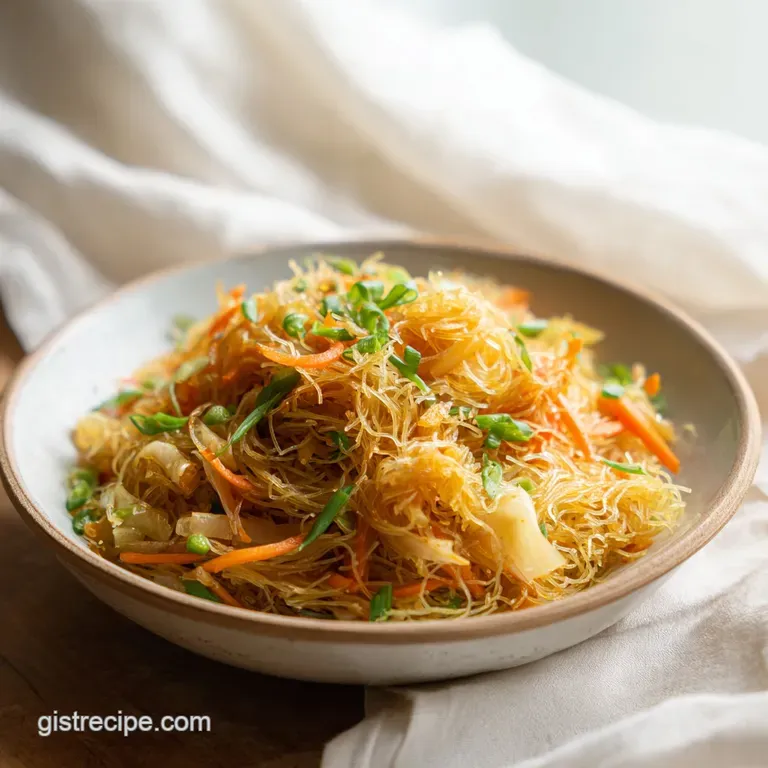
- Time: Active 25 minutes, Passive 20 minutes, Total 45 minutes
- Flavor/Texture Hook: Savory, umami rich noodles with a snappy vegetable crunch
- Perfect for: Family gatherings and foolproof weeknight dinners
- Master the Authentic Filipino Pancit Recipe
- The Secret to Springy Noodle Texture
- Component Analysis and Selection
- Essential Elements for Your Stir Fry
- Tools for Stir Fry Success
- Reliable Cooking Steps for Success
- Proven Fixes for Noodle Problems
- Smart Budget Adjustments and Variations
- Adjusting Ratios for Larger Crowds
- Common Noodle Misconceptions
- Storage Guidelines and Zero Waste
- Reliable Serving Suggestions
- Very High in Sodium (🚨)
- Recipe FAQs
- 📝 Recipe Card
Master the Authentic Filipino Pancit Recipe
I used to have a real problem with noodles that turned into a sad, gummy block the moment they hit the plate. There is nothing more heartbreaking than spending 20 minutes julienning carrots and cabbage only to have the entire dish collapse into a soggy mess because the hydration levels were off.
I remember one specific birthday dinner where I tried to eyeball the broth, and the result was so mushy we basically had to eat it with a spoon; it was a total texture disaster that I never wanted to repeat.
This recipe is the fix for every "pancit fail" you've ever had. We aren't just boiling noodles here; we are using a specific absorption method that lets the rice sticks soak up a concentrated broth made of chicken essence, soy sauce, and the funky depth of fish sauce.
By the time you’re done, every strand of noodle is seasoned to its very core, while the vegetables stay bright and snappy because we treat them with the respect they deserve.
You can expect a dish that feels like a warm hug but looks like it came straight from a professional kitchen. It’s a reliable, comforting classic that relies on simple pantry staples and a bit of smart timing.
Let's get into why this specific approach works every single time and how you can avoid the common pitfalls that plague most home cooked noodles.
The Secret to Springy Noodle Texture
- Starch Hydration: The rice sticks absorb the simmering broth directly in the wok, which allows the starch to swell slowly without the structural breakdown that happens during traditional boiling.
- Carryover Heat Management: Removing the vegetables and proteins while the noodles cook prevents them from steaming into mush, preserving that essential "snap."
- Fat Emulsification: Searing the Chinese sausage first releases rendered fat that coats the noodles later, providing a silky mouthfeel and preventing clumping.
- Umami Layering: Using a combination of soy sauce and fish sauce creates a multi dimensional saltiness that salt alone simply cannot replicate.
| Meat/Protein | Thickness | Internal Temp | Rest Time | Visual Cue |
|---|---|---|---|---|
| Chicken Thigh | 1/4 inch strips | 165°F | 2 mins | No longer pink, edges browned |
| Small Shrimp | Tail on/off | 145°F | 1 min | Opaque and curled into a 'C' |
| Chinese Sausage | 1/8 inch slices | N/A | None | Edges are slightly curled and translucent |
The table above is your quick guide to ensuring the proteins are cooked through without becoming rubbery. If you've ever struggled with dry chicken in your stir fry, focusing on these small 1/4 inch strips is the secret to a quick sear that stays juicy.
Component Analysis and Selection
| Ingredient | Science Role | Pro Secret |
|---|---|---|
| Pancit Bihon | Structural Base | Don't soak in water first; let them absorb the seasoned broth directly for better flavor. |
| Chicken Broth | Hydration Agent | Use low sodium to control the final salt level when combined with soy and fish sauce. |
| Fish Sauce | Umami Catalyst | It smells strong, but the "funk" disappears into a deep, savory sweetness once heated. |
| Chinese Sausage | Fat Source | The rendered fat acts as a non stick coating for the rice noodles during the final toss. |
Choosing the right components is the difference between a "fine" meal and one everyone asks for the recipe for. For the noodles, look for "Bihon" or rice sticks that are thin and translucent. If you find yourself wanting a different flavor profile, you might enjoy how the savory notes in this Mediterranean Beef Stir Fry use similar searing techniques to lock in juices.
Essential Elements for Your Stir Fry
- 1 lb pancit bihon rice sticks: Why this? They provide the classic thin, springy texture essential for this dish. (Substitute: Vermicelli rice noodles)
- 1 lb chicken thighs: Why this? Thighs stay juicy under high heat compared to breasts. (Substitute: Pork loin strips)
- 0.5 lb small shrimp: Why this? Adds a sweet, briny contrast to the savory chicken. (Substitute: Extra chicken or firm tofu)
- 0.5 cup Chinese sausage: Why this? Provides essential rendered fat and a unique sweet savory punch. (Substitute: Bacon or pancetta)
- 2 cups green cabbage: Why this? Adds bulk and a satisfying crunch that holds up to heat. (Substitute: Bok choy)
- 1 large carrot: Why this? Adds natural sweetness and a pop of bright color. (Substitute: Red bell pepper)
- 1 cup green beans: Why this? Offers an earthy flavor and a different textural snap. (Substitute: Snow peas)
- 1 medium onion & 5 cloves garlic: Why this? The aromatic foundation of the entire flavor profile. (Substitute: Shallots and garlic powder in a pinch)
- 4 cups chicken broth: Why this? The primary liquid that seasons the noodles from within. (Substitute: Vegetable broth or water with bouillon)
- 0.25 cup soy sauce & 2 tbsp fish sauce: Why this? The "holy trinity" of salty, savory Filipino seasoning. (Substitute: Tamari for gluten-free)
- 1 tsp black pepper & 2 tbsp vegetable oil: Why this? Heat and fat to carry all the flavors together. (Substitute: Avocado oil)
Tools for Stir Fry Success
You don't need a professional kitchen, but a high sided pan is non negotiable. An extra large wok is the gold standard here because it allows you to toss the noodles vigorously without throwing cabbage all over your stove.
If you don't have a wok, a large, deep 12 inch skillet or a Dutch oven will work, though you’ll have to be more careful when rotating the noodles.
Tongs are your best friend for this recipe. Unlike a spatula, tongs allow you to lift and drop the noodles, which is the only way to ensure they are evenly coated in the broth. You'll also want a sharp chef's knife for the julienning pancit is as much about the "look" of the thin, uniform vegetables as it is about the taste.
If your knife is dull, the cabbage will tear instead of shredding into those beautiful ribbons.
Reliable Cooking Steps for Success
- Sear the proteins. Heat 2 tablespoons of oil in your wok over medium high heat. Add the chicken strips and cook until golden brown and no longer pink. Toss in the shrimp and Chinese sausage, stirring for about 2 minutes until shrimp are opaque and pink. Remove everything and set aside. Note: This prevents the proteins from becoming overcooked and tough while the noodles simmer.
- Sauté the aromatics. In the same fat remaining in the wok, add your onion and garlic. Sauté for 1-2 minutes until the onion is translucent and the garlic is golden.
- Flash sear the vegetables. Add the cabbage, carrots, and green beans to the wok. Cook for 2-3 minutes until the colors are vibrant but the texture is still crunchy. Remove them immediately. Note: Vegetables continue to soften from carryover heat, so undercooking slightly here is key.
- Simmer the seasoning. Pour the chicken broth, soy sauce, and fish sauce into the empty wok. Bring the mixture to a rolling simmer over medium high heat.
- Hydrate the noodles. Place the dry bihon noodles directly into the bubbling liquid. Do not pre soak them.
- Rotate and toss. Use your tongs to constantly flip and rotate the noodles. Continue this for 5-7 minutes until the liquid is fully absorbed and noodles are tender.
- Reincorporate the components. Return the seared chicken, shrimp, sausage, and vegetables to the wok.
- Final seasoning. Sprinkle the black pepper over the top and toss everything together over high heat for 1-2 minutes until steaming and well combined.
- Garnish and serve. Remove from heat and serve immediately while the textures are at their peak.
Proven Fixes for Noodle Problems
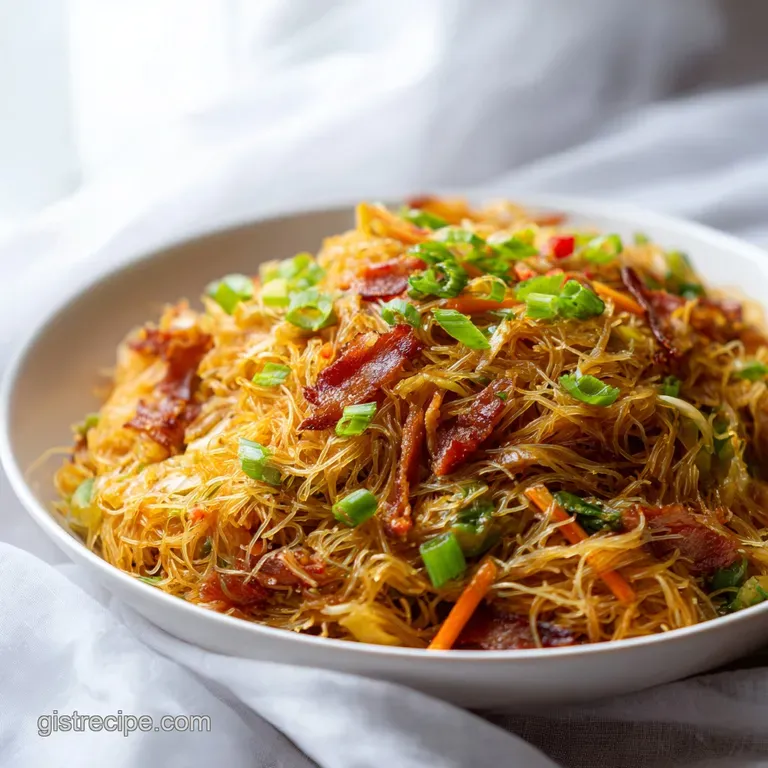
To Fix Soggy or Clumpy Noodles
This usually happens when there is too much liquid left in the pan or the noodles were stirred too aggressively while they were still hard. If you see a pool of liquid at the bottom and the noodles are already soft, increase the heat to high and toss rapidly to evaporate the excess moisture.
If they are clumping, a tiny drizzle of sesame oil or vegetable oil can help lubricate the strands so they separate.
For Under Seasoned Batches
If the dish tastes "flat," it’s likely a lack of acidity or salt. Before reaching for more soy sauce, try a squeeze of fresh calamansi or lime juice. The acid cuts through the fat and brightens the umami.
If it’s still bland, add fish sauce half a teaspoon at a time; it provides a more complex saltiness than table salt.
| Problem | Root Cause | Solution |
|---|---|---|
| Mushy Noodles | Too much broth or over soaking | Use the exact 4 cup ratio and don't soak bihon beforehand. |
| Dry Noodles | High heat evaporated broth too fast | Add 1/4 cup of warm broth or water and toss again. |
| Greasy Finish | Not enough vegetables to absorb fat | Increase cabbage or add a squeeze of citrus to cut the oil. |
Common Mistakes Checklist
- ✓ Pat the chicken strips dry with a paper towel before searing to ensure they brown rather than steam.
- ✓ Use a "low sodium" broth so you can be generous with the fish sauce without making the dish a salt bomb.
- ✓ Do NOT skip the Chinese sausage; it provides the foundational fat that keeps noodles from sticking.
- ✓ Keep the vegetables separate once seared; mixing them in too early results in "gray" cabbage.
- ✓ Always use tongs; a spoon will break the delicate rice strands into small, unappetizing bits.
Smart Budget Adjustments and Variations
| Original Ingredient | Substitute | Why It Works |
|---|---|---|
| Chicken Thighs | Pork Shoulder | Similar fat content and remains tender during a quick stir fry. |
| Chinese Sausage | Thick cut Bacon | Provides the necessary rendered fat and a smoky saltiness. Note: Less sweet than sausage. |
| Fish Sauce | Extra Soy Sauce + Worcestershire | Mimics the fermented depth, though it lacks the specific brine of fish sauce. |
If you are looking for a way to bulk this up for a crowd without spending a lot, doubling the cabbage and carrots is a fantastic trick. Vegetables are significantly cheaper than protein, and when julienned thin, they blend seamlessly into the noodles. For another budget friendly family meal that uses simple pantry staples, you might want to try this Chicken Broccoli Casserole, which uses a similar "all in-one" comfort logic.
Filipino Pancit Canton Recipe
If you prefer a thicker, chewier noodle, you can swap the bihon for flour based "Canton" noodles. The method remains largely the same, but Canton noodles usually require about 20% more liquid and a slightly longer simmer time.
Adjusting Ratios for Larger Crowds
Scaling this recipe is straightforward but requires a bit of math to keep the textures right. If you are cutting the recipe in half, use a smaller skillet and reduce the cook time for the noodles by about 3 minutes.
For the aromatics, you can still use the full 5 cloves of garlic because, let's be honest, you can never have too much garlic in a Filipino dish.
When doubling the recipe, do not double the oil immediately. Start with 3 tablespoons and only add more if the pan looks bone dry. You must work in batches for the protein and vegetables; overcrowding the wok will cause the temperature to drop, and you'll end up "boiling" your chicken in its own juices instead of getting that beautiful golden sear.
| Feature | Fast Method | Classic Method |
|---|---|---|
| Noodle Prep | Dry into broth | Pre soaked in water |
| Flavor | Intense absorption | Milder, cleaner taste |
| Texture | Springy and firm | Softer and more tender |
Common Noodle Misconceptions
One major myth is that you must soak bihon noodles in warm water before cooking. In reality, soaking often leads to over hydration. When the noodles are already full of water, they can't absorb the seasoned chicken broth, leaving you with noodles that are bland on the inside.
By adding them dry to the simmering liquid, they drink up the flavor as they soften.
Another misconception is that the "brown" color comes solely from soy sauce. While soy sauce helps, the true depth of color comes from the Maillard reaction the browning of the chicken and the caramelization of the onions and garlic at the start. If you skip the sear, your pancit will look pale and uninviting.
Storage Guidelines and Zero Waste
Fridge Storage: This Filipino pancit recipe actually tastes incredible the next day as the flavors have more time to meld. Store leftovers in an airtight container for up to 4 days.
When reheating, add a tablespoon of water or broth to the bowl before microwaving to "steam" the noodles back to life, otherwise they can get a bit brittle.
Freezer Tips: I don't generally recommend freezing pancit. Rice noodles are delicate, and the freezing/thawing process usually breaks the cell walls of the vegetables, resulting in a very mushy texture once thawed.
If you must freeze it, do so for no more than 1 month and reheat it in a hot pan rather than the microwave.
Zero Waste: Don't throw away those broccoli stems or the tough outer leaves of the cabbage. Peel the stems and julienne them just like the carrots; they add a wonderful broccoli flavored crunch.
If you have leftover shrimp shells, you can simmer them with your chicken broth for 10 minutes before starting the recipe to create an even deeper seafood infused base.
Reliable Serving Suggestions
Pancit is traditionally served with a side of calamansi or lemon wedges. A fresh squeeze of citrus right before eating is the "magic button" that makes all the savory flavors pop. It's often served alongside rice at Filipino parties (yes, carbs on carbs is the way!), but if you want something different, it pairs beautifully with crispy fried components.
If you're hosting a dinner and want a variety of textures, these Crispy Garlic Parmesan Potatoes provide a salty, crunchy contrast that people surprisingly love alongside the soft noodles.
If you want X, do Y
- If you want a smokier flavor, sear the Chinese sausage until the edges are nearly blackened.
- If you want spicier noodles, toss in a teaspoon of chili flakes or sliced bird's eye chilies with the garlic.
- If you want a glossier finish, toss in a tablespoon of oyster sauce during the final minute of cooking.
This dish is a staple for a reason. It’s forgiving, it’s filling, and once you master the "dry noodle into broth" technique, you'll never go back to the soggy versions of the past. It’s the kind of reliable classic that turns a regular Tuesday into a celebration.
Enjoy the process, don't crowd your pan, and always always extra garlic.
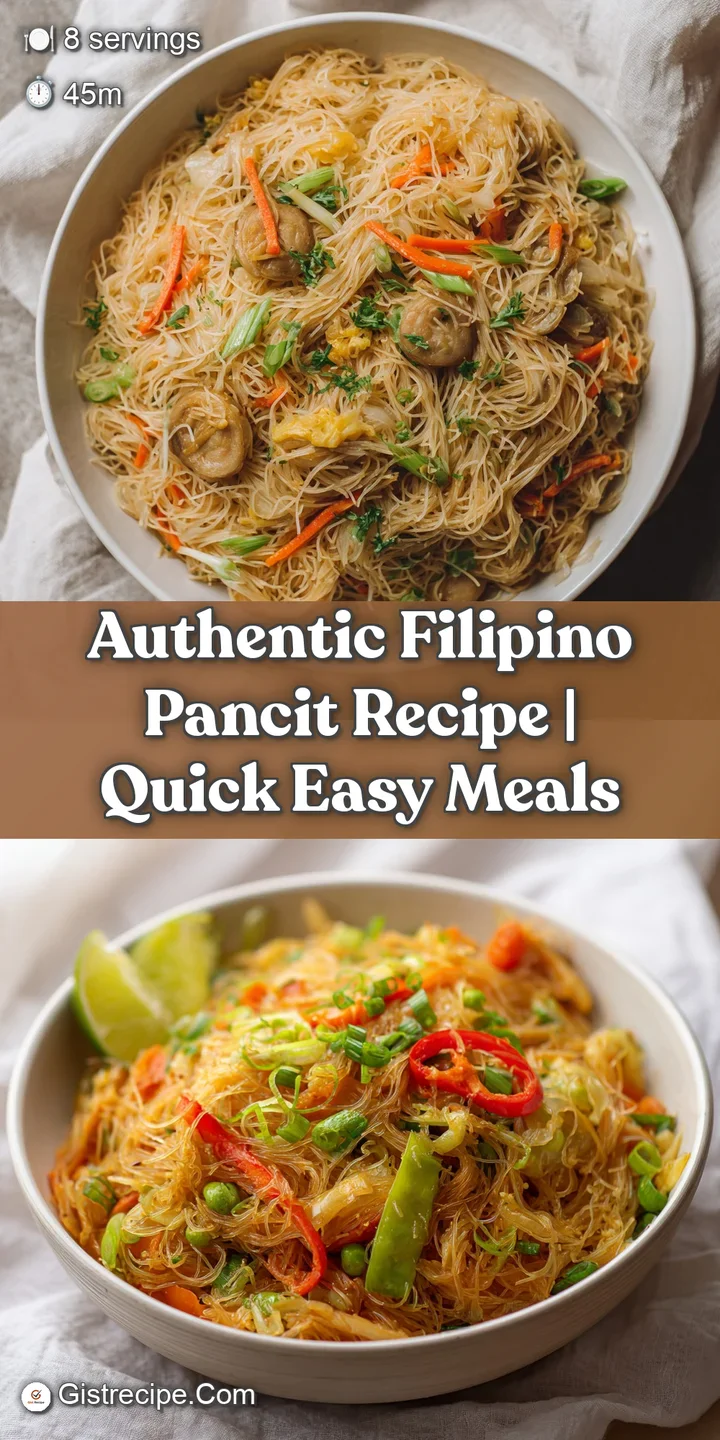
Very High in Sodium (🚨)
1140 mg 1140 mg of sodium per serving (50% 50% of daily value)
The American Heart Association recommends limiting sodium intake to no more than 2,300mg per day, with an ideal limit of 1,500mg for most adults.
Tips to Reduce Sodium
-
Switch to Low-Sodium Broth-30%
Replace the 4 cups of regular chicken broth with 4 cups of low-sodium chicken broth. This is a significant source of hidden sodium in many recipes.
-
Reduce Chinese Sausage-25%
Chinese sausage (lap cheong) is very high in sodium. Try using 1/4 cup or omitting it entirely. You can add a touch more chicken or shrimp to compensate for texture.
-
Dilute Soy Sauce-20%
Reduce the 0.25 cup of soy sauce to 2 tablespoons and dilute it with 2 tablespoons of water. This significantly cuts down the sodium without drastically altering the flavor profile.
-
Use Low-Sodium Fish Sauce-15%
If available, opt for a low-sodium fish sauce. If not, reduce the amount of regular fish sauce slightly, or consider a tiny pinch of salt and a splash of lime juice for umami.
-
Boost Flavor with Herbs and Spices
Enhance the dish's flavor with fresh ginger, garlic, scallions, and a variety of fresh herbs like cilantro or Thai basil. These ingredients add complexity without sodium.
Recipe FAQs
What ingredients are in pancit?
This recipe uses pancit bihon rice sticks, chicken thighs, shrimp, and Chinese sausage. You will also need green cabbage, carrots, green beans, onion, garlic, chicken broth, soy sauce, fish sauce, black pepper, and vegetable oil.
What is the secret to a flavorful pancit?
Do not skip the Chinese sausage. It provides the foundational fat that creates a rich depth of flavor and prevents the rice noodles from sticking together during the cooking process.
What kind of noodles are used in Filipino pancit?
Use pancit bihon rice sticks. These thin, delicate noodles are specifically designed to absorb the savory broth and seasoning quickly without turning into mush.
What are the two types of pancit?
There are many varieties, but pancit bihon and pancit canton are the most common. Bihon uses thin rice noodles, while canton uses thicker wheat based egg noodles that offer a different, chewier texture.
How to prevent the noodles from breaking while cooking?
Always use tongs to toss and rotate the noodles. Using a spoon can crush the delicate strands, whereas tongs allow you to gently incorporate the broth until the noodles are perfectly tender.
Is it true that I should cook vegetables with the noodles to save time?
No, this is a common misconception. You must flash sear the vegetables for 2-3 minutes and remove them separately, otherwise, the cabbage will turn gray and lose its crisp texture before the noodles are finished.
How to ensure the chicken browns properly?
Pat the chicken strips completely dry with a paper towel before searing. If you enjoyed mastering the searing technique here, you can apply the same moisture removal principle to achieve a perfect golden brown crust on any protein.
Authentic Filipino Pancit Recipe
Ingredients:
Instructions:
Nutrition Facts:
| Calories | 394 calories |
|---|---|
| Protein | 21.6 g |
| Fat | 10.8 g |
| Carbs | 52.5 g |
| Fiber | 2.8 g |
| Sugar | 3.2 g |
| Sodium | 1140 mg |
